Pakistan has a strong spice industry supported by households, restaurants, food manufacturers, wholesalers, and retail brands. As demand for clean, properly measured, and attractive spice packaging continues to grow, the Spice packing machine has become an important part of modern food processing and packaging operations. These machines help businesses pack products such as chili powder, […]
Pakistan has a strong spice industry supported by households, restaurants, food manufacturers, wholesalers, and retail brands. As demand for clean, properly measured, and attractive spice packaging continues to grow, the Spice packing machine has become an important part of modern food processing and packaging operations. These machines help businesses pack products such as chili powder, turmeric, coriander powder, cumin, black pepper, garam masala, and blended spices efficiently.
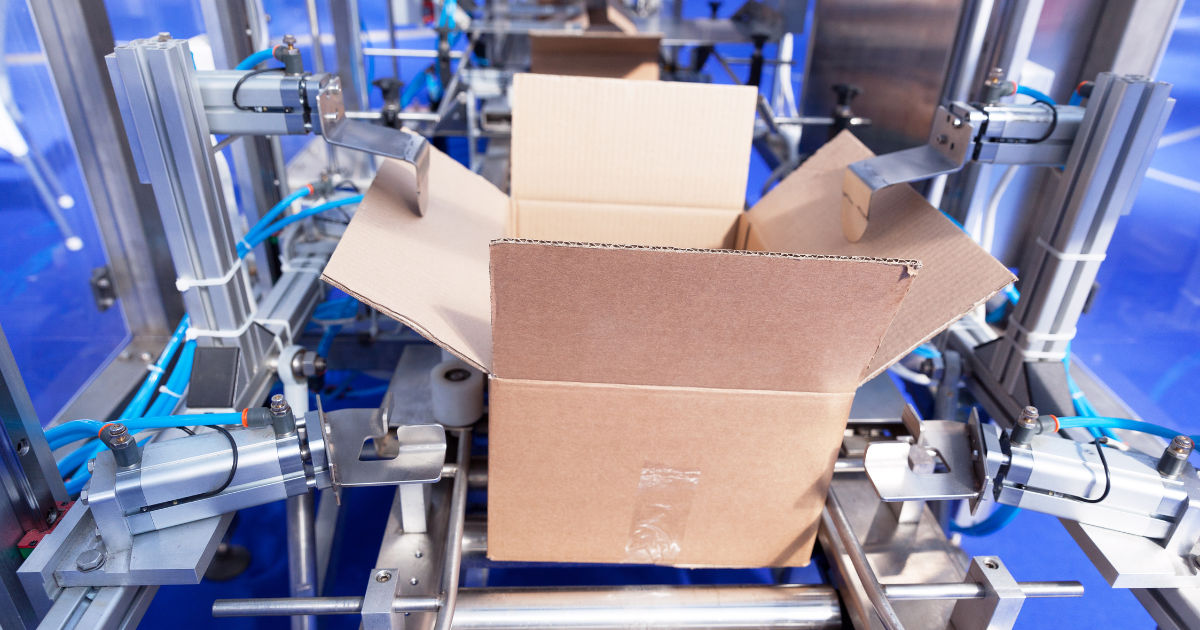
A Spice packing machine can be used by both small businesses and large-scale manufacturers. Depending on the model, it can fill a specific quantity of powdered or granular spices into pouches, sachets, bags, or other packaging formats. Automation can improve consistency, reduce product handling, and make packaging faster.
Pakistan's spice market includes traditional loose-spice sellers as well as established packaged-food companies. This wide range of businesses creates different applications for modern packing equipment. Understanding where these machines are used can help manufacturers, entrepreneurs, and food processors choose the right packaging solution.
Spice Processing and Manufacturing Companies
One of the main applications of a Spice packing machine is in commercial spice processing facilities. These companies purchase raw spices, clean them, grind them, blend them, and prepare them for retail or wholesale distribution.
After processing, the spices need to be packed in controlled quantities. Manual filling can take considerable time, particularly when a company handles thousands of packages every day. Automated equipment can make this stage more organized.
Large manufacturers may use complete packaging lines. Such systems can include weighing, filling, sealing, date coding, labeling, and other packaging processes.
Large-Scale Spice Manufacturers
Large spice manufacturers generally require machines capable of handling high production volumes. Their products may be distributed through supermarkets, grocery stores, restaurants, and wholesalers throughout Pakistan.
A high-speed packing system can help these businesses maintain a consistent packaging schedule. It can also reduce the amount of manual labor required for repetitive filling and sealing tasks.
Spice Blending Facilities
Some Pakistani food businesses specialize in blended spices. Products such as biryani masala, karahi masala, tikka masala, chaat masala, and other seasoning mixtures require accurate formulation and packaging.
Once a blend is prepared, the packaging equipment can portion it into the required pack size. Consistent filling is particularly useful when products are sold under a branded label.
Small and Medium-Sized Spice Businesses
A Spice packing machine is not limited to large factories. Small and medium-sized businesses can also benefit from packaging automation.
Many entrepreneurs in Pakistan operate local spice brands. They may begin with a limited product range and gradually expand as customers become familiar with their products.
For these businesses, packaging equipment can improve productivity without requiring a large industrial facility.
Local Spice Brands
A local spice company may sell products in 50-gram, 100-gram, 200-gram, 500-gram, or larger packages. The exact packaging format depends on the target market.
Using suitable equipment allows the business to produce standardized packs rather than relying completely on manual filling. This can make products appear more professional and easier to sell through retail stores.
Startup Food Businesses
New food entrepreneurs can also use smaller or semi-automatic packaging machines. These systems may be suitable for businesses that do not yet have the production volume needed for a fully automated line.
Starting with appropriate equipment allows a company to increase packaging capacity as demand grows.
Wholesale Spice Markets
Pakistan has major wholesale markets where spices are purchased and distributed in significant quantities. Wholesalers may receive spices in bulk and then prepare them for different customers.
Some wholesalers supply restaurants, grocery shops, food manufacturers, and smaller retailers.
A Spice packing machine can be useful when a wholesaler wants to move beyond selling loose products and begin offering pre-packed quantities.
Bulk Repacking Operations
A wholesaler may purchase a large quantity of chili powder, turmeric, cumin, or coriander. Instead of selling everything in bulk, the business can divide the product into smaller packages.
Automated or semi-automatic equipment can help make this process faster and more consistent.
The appropriate machine depends on the product characteristics and required pack sizes. Fine powders may behave differently from coarse or granular spices, so the filling system should match the material.
Supermarket and Retail Supply Chains
Retail packaging is another important application. Supermarkets and grocery stores generally prefer products that are properly sealed, labeled, and available in standard quantities.
Packaged spices are easier to display on shelves than loose products. They also allow customers to compare brands, prices, quantities, and product information.
Manufacturers supplying modern retail chains may therefore need reliable packaging equipment to maintain consistent output.
Branded Retail Products
A branded spice product needs packaging that supports the company's image. The package may include the brand name, product name, weight, ingredients, manufacturing information, expiry details, and other required information.
A packaging line can work together with printing and labeling equipment to prepare finished products for distribution.
Private-Label Spice Products
Some supermarkets and distributors sell spices under their own private labels. These products may be manufactured or packed by another company.
A flexible packaging setup can be useful because the same production facility may need to handle different brands, package sizes, and product varieties.
Restaurants and Catering Businesses
Restaurants are another major part of Pakistan's food industry. Many restaurants use spices in large quantities every day.
Large restaurants, catering companies, and commercial kitchens may purchase spices in bulk. Some businesses may also prepare their own spice blends.
Although restaurants do not always require industrial-scale packaging equipment, larger catering and food-production operations may use packing systems when preparing spice mixtures for internal use or commercial sale.
Centralized Restaurant Kitchens
Restaurant groups with several branches may operate a central kitchen. The central facility can prepare spice blends and distribute measured packages to individual branches.
This approach can help maintain consistent recipes between locations.
For example, a restaurant chain may prepare a standardized biryani spice mixture at its central kitchen. The mixture can then be packed into predetermined quantities and sent to individual outlets.
Export-Oriented Spice Businesses
Pakistan produces and processes many agricultural products that can enter international markets. Spice companies involved in exports need packaging that can withstand transportation, storage, and handling.
Export customers may have specific requirements regarding package sizes, labeling, product identification, and packaging materials.
A Spice packing machine can help exporters produce consistent packages according to their production specifications.
Export Packaging Requirements
Export-oriented businesses must consider the requirements of their destination markets. Packaging may need specific information about ingredients, net weight, manufacturing dates, batch numbers, and other details.
Businesses should verify the regulations of the country where their products will be sold rather than assuming that one packaging format works everywhere.
Online Spice Businesses
E-commerce has created another opportunity for packaged spice sellers in Pakistan. Small brands can now market products through websites, social media platforms, and online marketplaces.
Online customers often expect products to arrive securely packed. Proper sealing is therefore important for reducing the risk of leakage or contamination during delivery.
A Spice packing machine can support online businesses by helping them prepare standardized packages efficiently.
Subscription and Customized Spice Products
Some online businesses sell customized spice collections or subscription boxes. These may include several small packets designed for particular recipes or cooking styles.
A flexible packaging system can help such businesses prepare different package sizes while maintaining consistent filling.
Pharmaceutical and Herbal Product Businesses
Although spices are primarily associated with food, similar powders and herbal products can require comparable packaging processes.
Some Pakistani businesses process herbal powders, seasoning ingredients, or natural products alongside food-related materials.
The packaging requirements depend on the product and intended use. Businesses handling products for pharmaceutical or regulated applications need equipment and procedures appropriate for those specific requirements.
Agriculture and Spice-Producing Regions
Spices can enter the packaging industry at different points in the agricultural supply chain. Farmers and agricultural suppliers may sell raw materials to processors, while larger processing companies clean, grind, and package finished products.
Regions involved in agricultural production can therefore contribute to the wider spice supply chain even when packaging is performed somewhere else.
From Raw Spice to Finished Package
The journey from raw spice to retail package generally involves several stages.
First, raw materials are sourced and inspected. They may then be cleaned to remove unwanted materials. Depending on the product, the spice can be dried, ground, sieved, blended, and tested.
After processing, the finished product can move to the packaging stage. A Spice packing machine may measure the product, fill the packaging material, and seal the package.
Additional equipment can then print batch information or apply labels before the finished products are placed into cartons for transportation.
Spice Packaging in Urban Food Industries
Large Pakistani cities contain major food-processing and distribution networks. Businesses operating in these areas may supply products to customers across the country.
Urban food manufacturers often have access to warehouses, transportation services, packaging suppliers, machinery technicians, and retail distribution networks.
This makes modern packaging equipment particularly valuable for businesses that need to process significant quantities quickly.
Grocery Product Manufacturers
Companies producing several grocery products may use the same facility for different packaged foods. A flexible packaging machine can be useful when the company handles different spice varieties and pack sizes.
However, businesses must make sure that equipment is properly cleaned and maintained when changing between products. This helps reduce the possibility of unwanted product mixing.
How to Choose a Spice Packing Machine in Pakistan
Choosing packaging equipment requires more than simply selecting the fastest available model. Businesses should first identify their product, package size, production volume, and packaging material.
Different spices have different physical characteristics. A fine powder may flow differently from coarse crushed spices or whole seeds.
Consider the Product Type
The first consideration is whether the product is powdered, granular, or a mixture.
Chili powder, turmeric powder, and coriander powder require different handling considerations from whole cumin, black pepper, or crushed spices.
The machine's filling mechanism should be suitable for the actual product.
Consider Required Pack Sizes
A business should determine the quantities it plans to sell.
A company producing small sachets may require different equipment from a wholesaler selling one-kilogram packages.
Selecting equipment according to actual production needs can prevent unnecessary investment.
Consider Production Volume
Production volume is another major factor.
A small business may find a semi-automatic machine sufficient, while a large manufacturer may need a fully automated system connected to other packaging equipment.
Businesses should consider both current requirements and expected future growth.
Consider Packaging Material
Spices can be packed using different materials and pouch designs. The equipment must be compatible with the chosen packaging material.
Businesses should also consider sealing quality, package appearance, storage conditions, and transportation requirements.
Consider Maintenance and Support
Reliable technical support is important for any industrial machine. Before purchasing equipment, businesses should investigate the availability of spare parts, maintenance services, operator training, and technical assistance.
Regular maintenance can reduce unexpected downtime and help protect production efficiency.
Benefits of Using Modern Spice Packaging Equipment
Modern packaging equipment can provide several advantages to Pakistani spice businesses.
The first is improved production speed. Machines can perform repetitive filling and sealing tasks much faster than manual operations in many production environments.
The second benefit is consistency. When equipment is correctly calibrated, packages can be filled according to predetermined quantities.
Another advantage is reduced product handling. Less manual contact during packaging can support better hygiene practices when the entire production process is properly controlled.
Packaging automation can also help businesses manage labor more efficiently. Workers can focus on machine operation, quality checks, material handling, and other important tasks instead of performing every filling operation manually.
Hygiene and Food Safety
Spice businesses must pay close attention to cleanliness because spices are food products. Packaging equipment should be designed and operated in a way that supports hygienic production.
Machines should be cleaned according to appropriate procedures. Contact surfaces should be inspected regularly, and businesses should prevent unnecessary exposure of products to dust, moisture, or other contaminants.
Workers should also follow appropriate hygiene practices.
Proper storage is equally important. Even a well-packed spice product can lose quality if it is stored in unsuitable conditions.
Future of Spice Packaging in Pakistan
Pakistan's food industry continues to develop as consumers become more interested in branded, convenient, and hygienically packaged products.
This creates opportunities for businesses that can produce consistent packaged spices at competitive prices.
Automation is likely to become increasingly important as companies expand their product ranges and distribution networks.
Digital printing, automated weighing, improved sealing technology, quality control systems, and integrated packaging lines can further improve production efficiency.
Small businesses may also gain access to more affordable compact machines, allowing them to compete with larger manufacturers.
Frequently Asked Questions
Where are spice packing machines mainly used in Pakistan?
They are commonly used in spice processing factories, food manufacturing companies, local spice brands, wholesale repacking businesses, export facilities, and some large commercial kitchens.
Can small businesses use spice packing machines?
Yes. Smaller businesses can choose compact or semi-automatic equipment based on their production volume, available space, and budget.
What spices can be packed using these machines?
Depending on the machine design, products may include chili powder, turmeric, coriander, cumin, black pepper, garam masala, curry blends, and other powdered or granular spices.
Are packing machines useful for spice exporters?
Yes. Export-oriented businesses can use suitable equipment to produce consistent packages and support organized labeling and batch control. However, they must also meet the packaging and labeling requirements of their destination markets.
How does packaging automation help spice manufacturers?
Automation can improve filling consistency, increase production speed, reduce repetitive manual work, and support standardized packaging.
Conclusion
Spice packaging is an important part of Pakistan's food-processing industry. From small local brands to large manufacturers, businesses need efficient methods for converting processed spices into clean, standardized, market-ready products.
A Spice packing machine can be used in many parts of this supply chain. It can support commercial spice factories, wholesale repacking operations, retail brands, export businesses, online sellers, and larger food-production facilities.
The right equipment depends on the type of spice, required package size, production volume, packaging material, and level of automation. A small startup may need a compact semi-automatic solution, while a high-volume manufacturer may require a complete automated packaging line.
Businesses should also consider hygiene, maintenance, operator training, spare parts, technical support, and long-term operating costs before purchasing equipment.
Ultimately, the purpose of modern spice packaging is not simply to fill a packet. Effective packaging helps businesses deliver consistent quantities, protect products, improve presentation, and meet the expectations of customers and retailers. As Pakistan's packaged-food sector continues to develop, efficient spice packaging technology can play an increasingly important role in helping manufacturers grow and compete in both domestic and international markets.