
Leather coats are stylish, durable, and timeless, but wrinkles can make even a high-quality coat look old or poorly maintained. Whether your coat has been folded in a closet, packed in luggage, or stored incorrectly, there are safe ways to reduce wrinkles without damaging the leather. A well-maintained coat from a trusted retailer such as Pelle Pelle Store can remain attractive for many years when handled correctly.
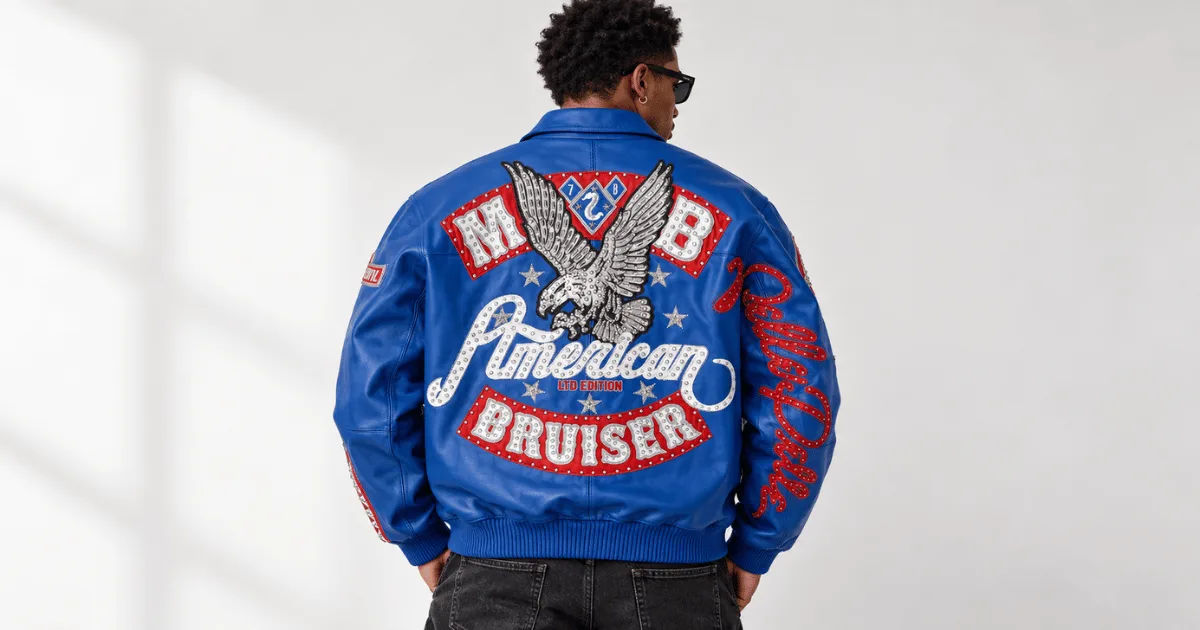
Removing wrinkles from leather is different from removing wrinkles from cotton or synthetic clothing. Leather is a natural material, so excessive heat, moisture, or pressure can permanently change its texture. The safest approach is usually to let the coat relax naturally before trying more active methods.
This comprehensive guide explains how to remove wrinkles from women's leather coats, which methods are safest, what mistakes to avoid, and how to prevent wrinkles from returning.
Why Do Leather Coats Develop Wrinkles?
Leather coats can wrinkle for several reasons. Understanding the cause helps you choose the right solution.
Improper Storage
One of the most common causes is storing a leather coat on a thin or unsuitable hanger. If the shoulders are not properly supported, the leather can develop creases around the sleeves, shoulders, and back.
Keeping a coat tightly compressed in a wardrobe can also create permanent-looking folds.
Folding and Packing
Leather coats may become wrinkled after being folded into a suitcase or storage box. Heavy objects placed on top can create additional pressure.
This is particularly common when traveling. A coat may spend several hours or days compressed in luggage before being worn again.
Changes in Temperature
Leather responds to environmental conditions. Very dry environments can cause leather to lose some of its natural flexibility, while excessive moisture can affect its surface.
Sudden changes in temperature may also contribute to stiffness and visible creasing.
Natural Wear
Some wrinkles are simply part of wearing a leather coat. Areas such as the elbows, waist, and sleeves naturally develop creases as the material moves with the body.
These wrinkles are not always a problem. In many cases, they contribute to the character and natural appearance of leather.
Start With Natural Relaxation
Before applying heat, steam, or any other treatment, try the simplest method.
Place the coat on a strong, wide, padded hanger. Make sure the shoulders sit naturally on the hanger rather than hanging over its edges.
Allow the coat to hang freely in a well-ventilated room. Keep it away from direct sunlight, radiators, heaters, and other sources of intense heat.
Give it at least 24 to 48 hours.
Light wrinkles often disappear naturally as the leather relaxes. This method is especially useful for coats that have only recently been removed from packaging or luggage.
A quality coat purchased from Pelle Pelle Store should still be treated according to the care instructions provided with the particular garment, because different leather finishes can respond differently to moisture and heat.
Use a Proper Leather Hanger
The hanger you use can make a significant difference.
Avoid narrow wire hangers. They can place too much pressure on a small section of the leather and may create unwanted shoulder marks.
Instead, use a broad, sturdy hanger designed to support the shape of a coat.
A padded hanger is often a good choice because it distributes weight more evenly.
Make sure the coat is not squeezed between other garments. Leather needs enough space for air circulation and for the material to hang naturally.
Can Steam Remove Wrinkles From Leather?
Steam can sometimes help loosen wrinkles, but it must be used carefully.
Leather can react badly to excessive moisture. Too much steam may cause discoloration, surface changes, shrinkage, or damage to certain finishes.
For this reason, holding a powerful steamer directly against the coat is not recommended.
A Safer Steam Method
Hang the leather coat securely in a bathroom while taking a warm shower. Keep the coat away from direct water.
The goal is to expose it to mild humidity rather than soaking it.
Afterward, allow the coat to hang naturally in a ventilated room.
Do not use this method if the manufacturer's care instructions specifically advise against moisture exposure.
When in doubt, professional leather cleaning is safer than experimenting with a valuable garment.
Can an Iron Be Used on a Leather Coat?
Directly ironing leather is generally risky.
A standard clothes iron can become hot enough to burn, flatten, discolor, or permanently alter leather. Even a few seconds of direct contact can leave a shiny or damaged patch.
Therefore, never place a hot iron directly on the leather surface.
If an ironing method is recommended by the coat manufacturer, follow those instructions exactly. Some leather garments may tolerate very low indirect heat with a protective cloth, but this depends heavily on the leather type and finish.
For expensive or delicate coats, professional treatment is the better option.
Using a Clothes Steamer Carefully
If the care label permits steaming, a clothes steamer can be useful for mild wrinkles.
Keep the steamer several inches away from the leather instead of pressing it against the surface.
Move the steam continuously rather than concentrating it on one area.
After steaming, gently smooth the leather with clean hands. Do not pull aggressively because stretching can distort the shape.
Allow the coat to dry naturally on a broad hanger.
Do not use a hair dryer to speed up the process. Direct hot air can dry the leather too quickly and may cause cracking or changes in texture.
Leather Conditioner for Minor Creasing
Leather conditioner can help maintain flexibility, but it should not be viewed as a wrinkle-removal product.
Conditioning may make leather more supple, allowing minor creases to relax more easily.
However, different leather types require different products. A conditioner suitable for one finish may stain or damage another.
Test Before Applying
Always test a small amount of conditioner on an inconspicuous area first.
Wait and observe how the leather reacts.
If the color, texture, or finish changes, do not apply the product to the entire coat.
Follow the manufacturer's care recommendations whenever possible.
A well-cared-for garment from Pelle Pelle Store can benefit from appropriate leather maintenance, but using too much conditioner can be just as problematic as using none.
Gently Massage the Wrinkled Area
For small wrinkles, gentle manual treatment may help.
Place the coat on a flat, clean surface or keep it hanging securely. Using clean hands, gently smooth the wrinkled section.
Do not aggressively stretch or pull the leather.
The purpose is simply to encourage the material to return to its original shape.
This method works best for light creases rather than deep folds.
What About Hanging the Coat in Sunlight?
Direct sunlight is not a recommended way to remove wrinkles.
Although warmth may make leather more flexible temporarily, strong sunlight can cause fading, drying, discoloration, and surface damage.
Instead, keep the coat in a room-temperature environment away from direct sunlight.
Natural relaxation takes longer, but it is much safer.
Professional Leather Cleaning
Deep or stubborn wrinkles may require professional assistance.
A leather specialist understands how different hides and finishes respond to cleaning, conditioning, moisture, and controlled heat.
This is particularly important when dealing with expensive designer coats, vintage leather, suede, or garments with special finishes.
A professional can also identify whether the visible lines are ordinary wrinkles, permanent creases, pressure marks, or damage to the leather.
Trying several home remedies on a valuable coat may create more problems than the original wrinkles.
Different Leather Types Need Different Care
Not all leather is identical.
Smooth Leather
Smooth leather is often easier to maintain, but excessive heat can still damage its surface.
Use gentle hanging and manufacturer-approved conditioning methods.
Suede
Suede requires extra care because its surface is different from smooth leather.
Avoid ordinary leather conditioners unless the manufacturer specifically recommends them.
Moisture and heat can change suede's appearance permanently.
Faux Leather
Faux leather is made from synthetic materials rather than animal hide. It can react differently to heat.
Some synthetic materials can soften, melt, bubble, or become permanently shiny when exposed to high temperatures.
Always check the garment's care label.
Patent Leather
Patent leather has a glossy finish that can be especially sensitive to heat and inappropriate cleaning products.
Avoid experimenting with irons, strong chemicals, or excessive steam.
Common Mistakes to Avoid
Several popular wrinkle-removal techniques can damage leather.
Do Not Use a Hot Iron Directly
Direct heat can burn or permanently flatten the leather.
Do Not Soak the Coat
Leather is not designed to be saturated with water. Excessive moisture can cause staining, stiffness, or deformation.
Do Not Use Household Cleaning Products
Products intended for fabric, furniture, or general household cleaning may contain chemicals that damage leather finishes.
Do Not Pull the Leather Aggressively
Stretching may temporarily make a wrinkle appear smaller, but it can permanently change the coat's shape.
Do Not Place It Near a Heater
Radiators, fireplaces, and heaters can dry leather rapidly and contribute to cracking.
Do Not Over-Condition
Too much conditioner can make the surface greasy, dark, sticky, or uneven.
How to Prevent Wrinkles in Leather Coats
Prevention is easier than repeatedly removing wrinkles.
Always hang your coat immediately after wearing it.
Use a broad, sturdy hanger that supports the shoulders.
Give the coat enough space in the closet so it is not compressed between other garments.
When traveling, avoid placing heavy items on top of the coat.
If possible, transport it on a proper hanger or use a garment bag that allows enough room for the coat to remain relatively relaxed.
Never store leather coats in airtight plastic bags for long periods. Leather benefits from appropriate ventilation.
A breathable garment bag is generally a better choice for long-term storage.
How Should a Leather Coat Be Stored?
Before storing your coat for an extended period, make sure it is clean and completely dry.
Hang it on a suitable hanger and place it somewhere cool, dry, and ventilated.
Avoid damp basements, extremely dry areas, and locations exposed to direct sunlight.
Do not fold the coat unless folding is necessary. If you must fold it, minimize sharp creases and avoid putting heavy objects on top.
Proper storage can significantly reduce the development of deep wrinkles.
When Should You Contact a Professional?
Professional help is advisable when wrinkles are deep, widespread, or accompanied by discoloration.
You should also consider professional treatment if the coat is made from delicate leather, suede, vintage leather, or an expensive specialty finish.
If you accidentally exposed the coat to excessive heat or water, do not continue experimenting with household treatments. A leather professional may be able to reduce further damage.
Professional care is especially worthwhile when the coat has significant financial or sentimental value.
Frequently Asked Questions
Can I remove wrinkles from a leather coat without heat?
Yes. The safest first step is usually to hang the coat on a broad, sturdy hanger and allow it to relax naturally for 24 to 48 hours. Light wrinkles may disappear without any additional treatment.
Is steam safe for women's leather coats?
Steam can be suitable for some leather garments, but it is not universally safe. Excessive moisture or direct steam can damage certain finishes. Always check the care label before using a steamer.
Can I use a hair dryer on a wrinkled leather coat?
It is better to avoid using a hair dryer. Direct hot air can dry leather excessively and may cause cracking, discoloration, or changes in texture.
Does leather conditioner remove wrinkles?
Conditioner does not directly remove wrinkles. However, an appropriate conditioner may help keep leather flexible, which can allow minor creases to relax. Always use a product compatible with your specific leather.
How long does it take for leather wrinkles to disappear?
Light wrinkles may improve within a day or two when the coat is properly hung. Deep creases can take longer and may not disappear completely. Professional treatment may be necessary for severe wrinkles.
Can I iron my leather coat inside out?
Turning the coat inside out does not automatically make ironing safe. Heat can still transfer through the material and damage the leather. Only use an ironing technique if the manufacturer's care instructions specifically permit it.
Conclusion
Removing wrinkles from a women's leather coat requires patience and careful handling. Unlike ordinary fabric, leather can be permanently damaged by excessive heat, water, stretching, and unsuitable cleaning products.
The best starting point is always natural relaxation. Hang the coat on a broad, sturdy hanger and give the leather enough time to return toward its original shape. For minor wrinkles, gentle smoothing and manufacturer-approved conditioning may help.
Steam can sometimes be useful, but it should only be considered when the care instructions allow it. Direct ironing, strong heat, soaking, and household cleaning products should generally be avoided.
The type of leather also matters. Smooth leather, suede, patent leather, and faux leather can respond differently to moisture and temperature. When the coat is valuable or the wrinkles are severe, professional leather care is the safest choice.
With proper storage and regular maintenance, a leather coat can retain its shape and appearance for a long time. Whether your coat comes from Pelle Pelle Store or another retailer, following its specific care instructions is the most reliable way to protect the material.
A good leather coat does not need aggressive treatment to look its best. Gentle handling, suitable storage, and patience are usually the most effective combination. By avoiding unnecessary heat and moisture and addressing wrinkles early, you can keep your leather coat looking polished, comfortable, and stylish season after season.