
Biotin supplements are often taken as part of a daily wellness routine, especially by people who are interested in supporting normal hair, skin, and nail health. Because biotin is a water-soluble B vitamin, many people wonder whether taking a supplement every day is appropriate or whether it should be used only for a limited period.
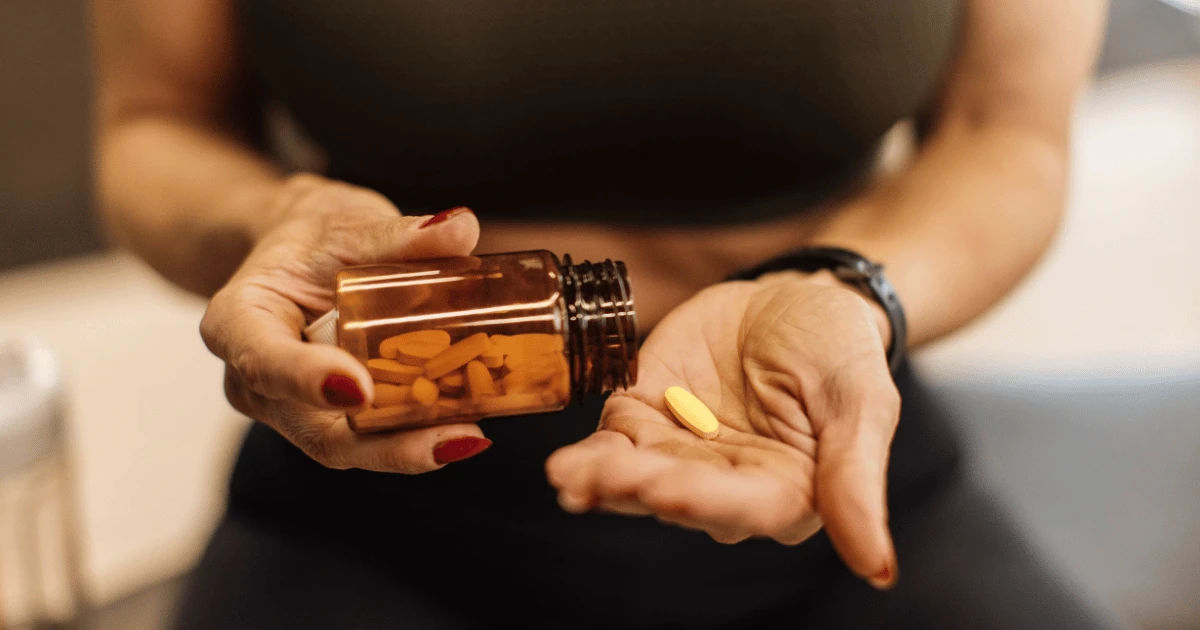
Biolife biotin Supplement can generally be taken every day when it is used according to the product label and when there is a reasonable nutritional or professional reason for using it. However, taking a supplement daily does not automatically mean that higher amounts are better. The dose, the other supplements you use, your diet, and your individual health situation all matter.
The important point is to separate the question of whether biotin can be taken daily from the question of whether everyone needs a high-dose biotin supplement every day. These are not the same thing. Biotin is an essential nutrient, but most people can obtain at least some biotin through food, and the body does not necessarily benefit from taking large amounts when there is no deficiency.
Can Biolife Biotin Supplement Be Taken Every Day?
For many healthy adults, taking Biolife biotin Supplement every day may be reasonable if the recommended serving on the package is followed. Biotin is naturally present in foods and is also available as a standalone supplement or as part of multivitamin and B-complex products. The National Institutes of Health lists an adequate intake of 30 micrograms per day for adults aged 19 and older.
That number is important because it provides context. A supplement can contain much more biotin than the amount normally needed from the diet. A higher amount is not automatically dangerous, but it should not be interpreted as proof that a person needs that much every day.
When considering Biolife biotin Supplement for daily use, the first step should therefore be checking the actual amount of biotin in the serving. Look at the Supplement Facts or nutrition panel rather than relying only on the product name.
If the product contains other vitamins, minerals, or herbal ingredients, those ingredients also need to be considered. Sometimes people focus entirely on biotin while overlooking the fact that a combination supplement may provide additional nutrients that they are already getting from another product.
Why Do People Take Biotin Every Day?
Biotin plays a role in normal metabolism. It helps the body use carbohydrates, fats, and proteins for energy. It is therefore not simply a “hair vitamin,” even though hair, skin, and nail products frequently contain it.
Some people choose Biolife biotin Supplement because they want to support their normal nutritional intake. Others become interested in biotin after noticing changes in their hair or nails.
This is where expectations matter.
Biotin supplements are widely promoted for hair, skin, and nails, but the scientific evidence for these benefits in people who already have adequate biotin intake is limited. NIH notes that there is little evidence supporting broad claims that biotin supplements improve hair, skin, and nails in otherwise healthy people. Some small studies have suggested benefits for brittle nails, but more research is needed.
In practical terms, daily use should not be viewed as a guaranteed solution for hair shedding, thinning hair, acne, or other conditions. Those problems can have many causes, including nutritional deficiencies, hormonal changes, stress, medications, illness, and other underlying issues.
What Happens When Biotin Is Taken Daily?
Biotin is a water-soluble vitamin. This means the body does not store it in the same way that it stores fat-soluble vitamins such as vitamins A, D, E, and K.
The body uses biotin in important metabolic processes, while excess amounts can be eliminated through urine. This is one reason biotin has generally been considered to have a relatively good safety profile.
However, “water-soluble” does not mean “take as much as you want.”
The NIH Office of Dietary Supplements explains that there is currently no established tolerable upper intake level for biotin because available evidence has not demonstrated toxicity in humans at high intakes. Some studies have reported no adverse effects even with much higher amounts.
That information should not be misunderstood as a recommendation to take large doses. A lack of an established upper limit is different from evidence that very high daily doses are necessary or beneficial.
For someone using Biolife biotin Supplement, the sensible approach is to follow the labeled serving rather than increasing the amount simply because biotin appears to have a wide safety margin.
Is Long-Term Daily Use Safe?
For most healthy people, biotin itself has not been shown to cause toxicity at commonly studied supplemental doses. This is one reason daily biotin supplementation is possible.
Still, long-term use deserves some attention because supplements can affect situations outside normal nutrition.
The biggest practical concern with high-dose biotin is not necessarily classic toxicity. It is interference with certain laboratory tests.
High amounts of biotin can interfere with some blood tests and may produce falsely high or falsely low results. These tests can include certain hormone tests and other laboratory measurements.
The U.S. Food and Drug Administration has also warned about biotin interference with certain laboratory tests, including some troponin tests used when evaluating possible heart problems. The FDA has reported that biotin interference can potentially result in incorrect test results.
This makes one habit especially important: always tell your doctor, pharmacist, and laboratory staff that you are taking Biolife biotin Supplement or another supplement containing biotin.
How Much Biotin Should You Take Every Day?
There is no single daily supplement dose that is appropriate for everyone.
For healthy adults, the adequate intake for biotin is 30 micrograms per day. Pregnant adults have an adequate intake of 30 micrograms, while breastfeeding adults have an adequate intake of 35 micrograms.
The amount contained in a supplement can be considerably higher than these nutritional intake figures.
This is why consumers should check the label carefully. If Biolife biotin Supplement contains a high amount of biotin, there may be little reason to add another biotin-containing multivitamin unless a healthcare professional recommends doing so.
It is also worth checking whether other products in your routine contain biotin. A multivitamin, beauty supplement, hair supplement, and B-complex product could all contribute biotin.
Taking several products at once can make it surprisingly easy to consume much more than you intended.
Should You Take Biotin With Food?
Biotin supplements can generally be incorporated into a normal daily routine. Some people prefer taking Biolife biotin Supplement with a meal because it is easier to remember and can fit naturally into their routine.
There is no need to make the routine complicated.
Taking a supplement around the same time each day can help prevent missed doses. For example, someone might take it with breakfast, while another person may find dinner more convenient.
Consistency is more useful than choosing a special time of day.
If the product label gives specific instructions, those directions should take priority. If the supplement contains additional ingredients, food may also be relevant to how comfortable the supplement feels for the individual.
Who May Need Extra Caution?
Daily use of Biolife biotin Supplement deserves more careful consideration if you take several supplements, use prescription medicines, have an upcoming medical test, or have been advised to follow a medically supervised nutrition plan.
People preparing for blood tests should mention biotin use before testing. Do not simply assume that a laboratory will know you are taking it.
This is especially important because laboratory interference may not produce an obvious warning. A result can look normal or abnormal even though the problem is related to the test method rather than an actual change in the person's health.
People taking medicines should also discuss supplement use with a doctor or pharmacist. NIH recommends telling healthcare professionals about dietary supplements and prescription or over-the-counter medicines because interactions can occur.
Pregnancy and breastfeeding are also situations where it makes sense to discuss supplements with a healthcare professional rather than starting a high-dose product independently.
Can You Take Biotin Every Day for Hair Growth?
This is one of the most common reasons people consider Biolife biotin Supplement.
Biotin is associated with normal nutritional processes, and genuine biotin deficiency can cause problems involving hair and skin. However, deficiency is uncommon in the general population, and taking extra biotin does not necessarily produce faster or thicker hair growth when a person already has adequate biotin intake.
If someone has ongoing hair loss, it is better to investigate the possible cause instead of assuming that biotin is the answer.
For example, persistent hair loss can be associated with nutritional problems, hormonal issues, stress, illness, certain medicines, or inherited hair conditions. Treating the underlying cause is generally more useful than simply adding another supplement.
Therefore, daily biotin can be part of a nutritional routine, but it should not replace proper evaluation when a hair problem is persistent or severe.
Can Daily Biotin Improve Nails?
There is somewhat more encouraging evidence for brittle nails than for general hair growth, although the research remains limited.
NIH reports that a few small studies found that high-dose biotin supplementation helped some people with thin or brittle nails. However, the evidence is not strong enough to conclude that everyone with normal nails will benefit from taking large amounts of biotin.
If Biolife biotin Supplement is being used specifically because of brittle nails, it is reasonable to monitor changes over time rather than expecting immediate results.
Nails grow slowly, so nutritional changes are not normally reflected overnight. It is also worth considering other factors such as nail trauma, frequent exposure to water or chemicals, and overall nutrition.
What If You Miss a Daily Dose?
Missing one dose of Biolife biotin Supplement is usually not a reason to panic or take extra amounts later.
If you remember after missing your normal dose, follow the product instructions. Avoid automatically doubling the next dose unless a healthcare professional or the product instructions specifically tell you to do so.
The purpose of daily supplementation is to maintain a consistent routine. One missed day does not normally erase the nutritional value of the previous doses.
This is another reason not to become overly focused on perfect timing. A simple routine that you can follow consistently is usually easier to maintain.
Should You Stop Before a Blood Test?
Do not make assumptions about stopping biotin before laboratory testing.
Because biotin can interfere with certain tests, tell your healthcare provider and the laboratory that you are taking Biolife biotin Supplement. The appropriate approach can depend on the amount being taken, the specific test, and the laboratory method.
The FDA specifically recognizes the problem of biotin interference with some diagnostic tests, and NIH also advises that high biotin intake can affect laboratory results.
Your healthcare professional can tell you whether you need to pause the supplement and, if so, for how long.
This is particularly important when testing involves hormones, thyroid-related measurements, or certain cardiac markers.
Can You Combine Biotin With Other Supplements?
It is possible to take biotin as part of a broader supplement routine, but the total intake should be considered.
For example, a person might take Biolife biotin Supplement, a multivitamin, and a hair-and-nail formula without realizing that all three contain biotin.
The same principle applies to other nutrients. More products do not automatically mean better nutrition.
Before adding another supplement, read the labels and compare the ingredients. If you take prescription medication or have a medical condition, ask a healthcare professional or pharmacist to review the combination.
The FDA also advises consumers to be cautious about combining supplements, mixing supplements with medicines, and taking excessive amounts.
Signs That You Should Reconsider Your Routine
Biotin is generally well tolerated, but your supplement routine should be reconsidered if you are taking unusually high amounts, combining multiple biotin-containing products, or using supplements without knowing what they contain.
You should also pay attention to the reason you started supplementation.
If you began taking Biolife biotin Supplement because of significant hair loss and the problem continues, increasing the dose is not necessarily the right next step. A medical evaluation may be more useful.
Likewise, if you have an upcoming procedure or important diagnostic testing, make sure your healthcare team knows about all supplements you use.
The goal should be sensible supplementation rather than taking a product indefinitely simply because it has become part of your routine.
How to Use Biotin Responsibly Every Day
A practical approach is straightforward.
First, check the amount of biotin per serving on the product label. Second, follow the recommended serving rather than creating your own high-dose regimen. Third, check other supplements for overlapping ingredients. Fourth, tell healthcare professionals about your biotin use before laboratory testing. Finally, reassess whether you actually need the supplement after using it for a reasonable period.
When using Biolife biotin Supplement, these simple habits can make daily supplementation much more sensible.
It is also important to remember that supplements work best alongside a balanced diet. Foods such as eggs, meat, fish, nuts, seeds, and certain vegetables can contribute biotin to the diet.
A supplement should complement good nutrition rather than replace it.
Conclusion
So, can Biolife biotin Supplement be taken every day? For many healthy adults, daily use may be appropriate when the product is taken according to its label and there is a sensible reason for supplementation. Biotin is an essential B vitamin, and the body uses it for important metabolic functions. Adults have an adequate intake of 30 micrograms per day, although supplements can contain much higher amounts.
The key issue is not simply whether biotin can be taken every day. It is whether the dose is appropriate for you and whether you are using the product responsibly.
Biotin has not been shown to cause toxicity in humans at the levels discussed in available research, and no formal upper intake level has been established. Nevertheless, high-dose biotin can interfere with certain laboratory tests. That makes communication with your doctor, pharmacist, and laboratory particularly important.
If you are taking Biolife biotin Supplement for hair, skin, or nails, keep your expectations realistic. Biotin may be useful when intake is inadequate or deficiency exists, but there is limited evidence that high-dose supplementation dramatically improves these features in people who already receive enough biotin.
Daily supplementation should therefore be based on the actual product dose, your overall diet, other supplements, medicines, upcoming laboratory tests, and your personal health needs. When in doubt, a doctor or pharmacist can help you decide whether continuing daily use makes sense.
In short, daily biotin can be reasonable, but “every day” should never be confused with “as much as possible.” The safest and most practical approach is to follow the product directions, avoid unnecessary duplication, maintain a balanced diet, and keep your healthcare team informed about your supplement use.