
If you are a homeowner, ensuring the safety of your electrical system should be a top priority. Electrical wiring may seem invisible, but faulty wiring can lead to hazards like fire, short circuits, or even electric shocks.
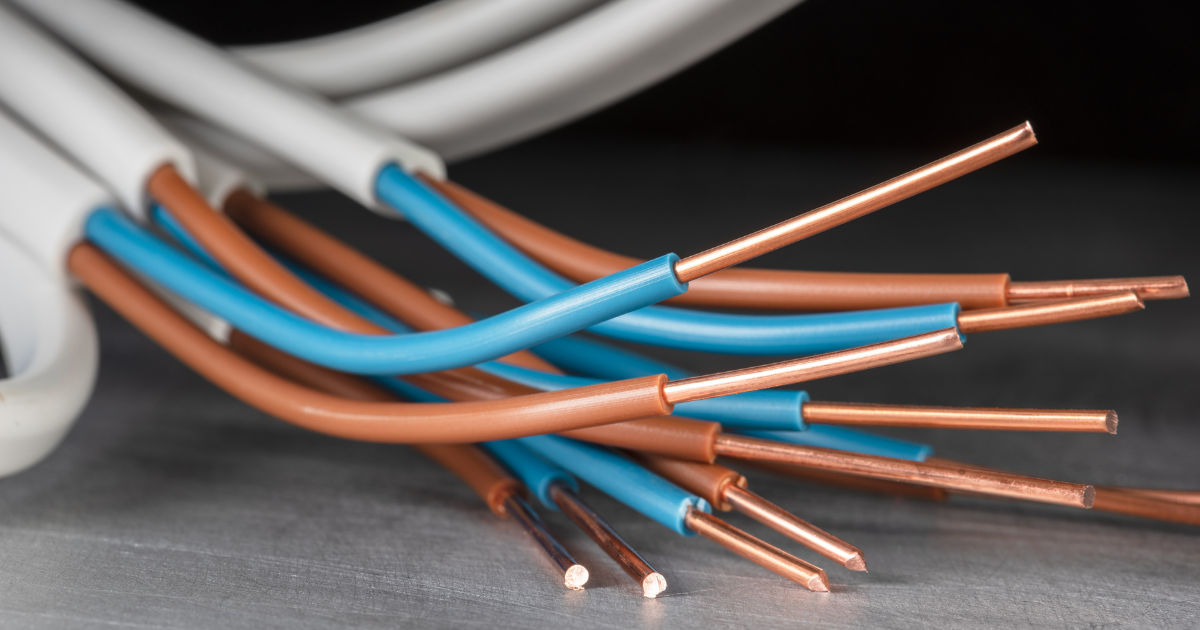 This is why a thorough wiring inspection is essential. Choosing high-quality components, such as those from a reliable AGE Cables Supplier, can greatly enhance the safety and efficiency of your home electrical system.
In this comprehensive guide, we will take you through a complete wiring inspection checklist for homeowners, helping you maintain a safe and efficient electrical setup.
Understanding the Importance of Wiring Inspections
Electrical wiring is the backbone of any home. Over time, wires can deteriorate, insulation can break down, and connections can loosen. These issues are not always visible, making regular inspections crucial. A wiring inspection ensures:
-
Your home is safe from electrical hazards.
-
Appliances receive consistent power supply.
-
Electrical bills remain efficient due to reduced energy loss.
-
The lifespan of your electrical system is extended.
Using high-quality wiring from a trusted AGE Cables Supplier adds reliability and reduces the likelihood of issues arising during inspections.
Preparing for a Wiring Inspection
Before starting your wiring inspection, preparation is key. Here’s what you need:
-
Safety Gear: Wear insulated gloves and safety glasses to prevent accidental shocks.
-
Basic Tools: Screwdrivers, pliers, voltage tester, continuity tester, and a flashlight.
-
Circuit Map: Know the layout of your home’s electrical circuits for efficient checking.
-
Documentation: Note the age and brand of your wires. Using wires from a trusted AGE Cables Supplier can simplify tracking and maintenance.
Ensure all electrical devices are switched off before starting your inspection to avoid hazards.
Visual Inspection of Wiring
A visual inspection is the first step in identifying potential issues.
Check for Damaged Cables
Look for visible signs of wear and tear:
-
Frayed or cracked insulation
-
Exposed copper wires
-
Burn marks or discoloration near outlets
Damaged wiring not only reduces efficiency but poses serious fire risks. Replacing old or damaged wires with products from a reputed AGE Cables Supplier ensures long-term safety.
Inspect Electrical Panels
Your main electrical panel distributes electricity throughout the home. Check for:
-
Loose wires or connections
-
Corrosion or rust
-
Burn marks on breakers
-
Proper labeling of circuits
If any panel issues are detected, consult a professional electrician immediately. Safety should always be the priority.
Look for Overloaded Outlets
Frequent tripping of breakers or sparks near outlets indicates overloading. Signs to look for include:
-
Loose or wobbly outlets
-
Outlets that feel warm to the touch
-
Sparks when plugging in devices
Using high-quality wiring from a reliable AGE Cables Supplier can prevent overload issues.
Testing Electrical Circuits
Beyond visual inspection, testing circuits ensures proper functionality.
Continuity Test
A continuity test checks if electricity flows through wires without interruption:
-
Use a multimeter set to continuity mode.
-
Test all wires by connecting the probes at both ends.
-
A continuous beep indicates a healthy wire; no sound means a break or fault.
Voltage Test
Voltage testing ensures outlets deliver the correct power supply:
-
Set your multimeter to the appropriate AC voltage.
-
Measure voltage at each outlet.
-
Compare results to your standard home voltage (usually 110–240V depending on your region).
Abnormal readings may indicate faulty wiring or the need for replacement cables from a trusted AGE Cables Supplier.
Circuit Breaker Function Test
Test all breakers to confirm proper tripping and reset functions:
-
Turn each breaker off and then on.
-
Observe if the breaker trips appropriately when overloaded.
-
Check for breakers that fail to trip—they may need replacement.
Properly functioning breakers are crucial for safety and preventing electrical fires.
Inspecting Specific Wiring Areas
Certain areas of your home require extra attention due to their electrical load.
Kitchen Wiring
The kitchen has high-power appliances like microwaves, ovens, and refrigerators:
-
Ensure dedicated circuits for large appliances.
-
Check for overheating wires near sockets.
-
Inspect GFCI outlets for proper function.
Bathroom Wiring
Water and electricity can be dangerous together:
-
Ensure outlets are GFCI-protected.
-
Inspect wires behind walls for moisture damage.
-
Avoid using damaged extension cords near water sources.
Living Room and Bedrooms
These areas often have multiple devices and entertainment systems:
-
Check for overloaded power strips.
-
Ensure wires are properly hidden to prevent tripping hazards.
-
Look for frayed extension cords or adapters.
High-quality wiring from a trusted AGE Cables Supplier can reduce risks in high-use areas.
Signs You Need Professional Help
Even with regular inspections, some problems require an expert:
-
Repeated breaker trips without obvious overloads
-
Flickering lights or dimming bulbs
-
Buzzing sounds from outlets or switches
-
Smell of burning insulation
-
Visible sparks
Hiring a certified electrician can prevent minor issues from becoming major hazards.
Maintenance Tips for Home Wiring
Keeping your wiring safe requires ongoing maintenance:
Regular Inspections
-
Conduct visual inspections every 6–12 months.
-
Test outlets and switches for proper function.
-
Ensure breakers and panels are clean and secure.
Avoid Overloading Circuits
-
Spread electrical load across multiple outlets.
-
Limit use of extension cords.
-
Upgrade wiring in older homes using materials from a reputable AGE Cables Supplier.
Protect Against Moisture
-
Keep electrical panels dry.
-
Ensure wiring in bathrooms and kitchens is waterproofed.
-
Address leaks immediately to prevent electrical hazards.
Upgrade Old Wiring
-
Replace worn or outdated cables.
-
Modern homes benefit from copper wiring for durability.
-
Using high-quality products from an AGE Cables Supplier ensures longevity and safety.
Energy Efficiency Considerations
Proper wiring inspection and maintenance can also improve energy efficiency:
-
Minimize voltage drops by using thick, high-quality wires.
-
Replace faulty or corroded connections.
-
Install energy-efficient outlets and switches.
-
Using cables from a trusted AGE Cables Supplier ensures reduced energy loss and reliable performance.
Common Wiring Issues in Homes
Some issues are common and should always be checked during inspections:
Loose Connections
Loose connections can cause intermittent power, sparks, or fire hazards.
Overheating Wires
Check for wires that feel warm. Overheating wires indicate excessive load or poor-quality materials.
Rodent Damage
Rodents can chew wires, causing exposure or shorts. Inspect hidden areas like attics and basements.
Grounding Problems
Proper grounding prevents electric shocks. Verify all outlets and devices are properly grounded.
Using premium wiring from a certified AGE Cables Supplier can minimize these issues.
Upgrading Wiring for Safety
If you identify recurring problems, upgrading your wiring is a wise investment:
-
Replace aluminum or old copper wiring with modern copper wires.
-
Install additional outlets to prevent overloads.
-
Upgrade panels and breakers for modern power demands.
-
Choose wiring from a trusted AGE Cables Supplier for safety assurance.
Conclusion
Electrical wiring is often out of sight but never out of mind. Regular inspections using a comprehensive checklist can prevent accidents, save money, and increase home safety. Always look for damaged wires, test circuits, inspect panels, and ensure proper grounding. Remember, using high-quality wiring from a reputable AGE Cables Supplier is a key step in protecting your home.
By following this wiring inspection checklist, homeowners can ensure a safe, reliable, and efficient electrical system. Prioritizing inspections, maintenance, and using the right materials keeps your home secure for years to come. Don’t wait for a minor fault to become a major hazard—invest in safety today.