
In today’s fast-paced business world, the right technology can make or break a small business.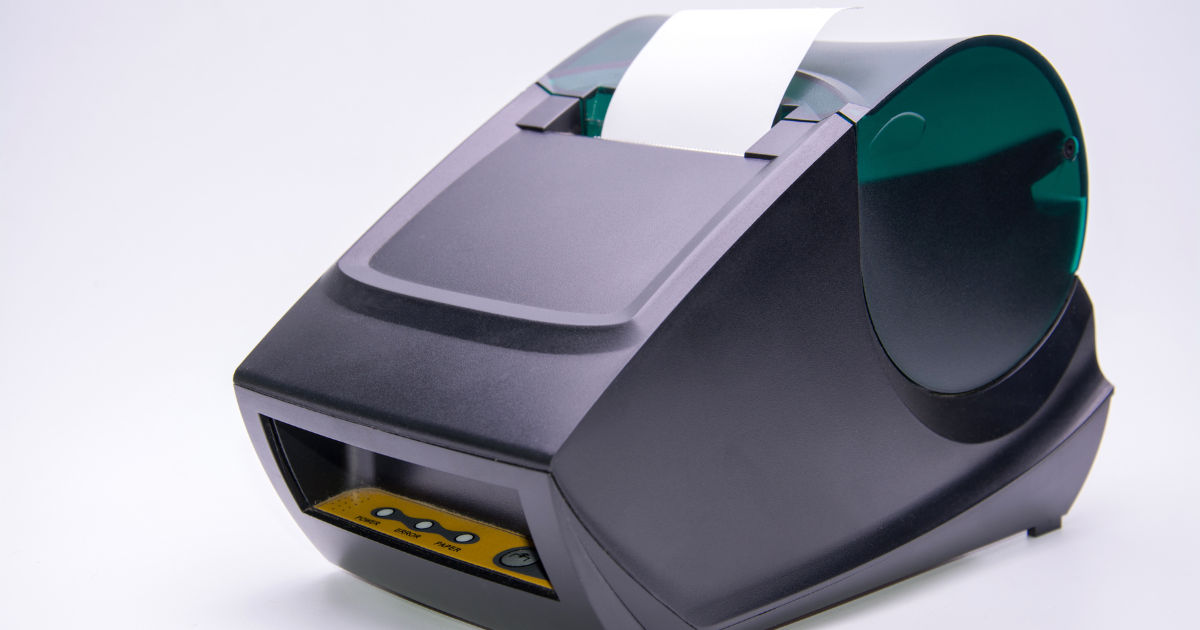
One tool that has become essential is a POS machine. Choosing the right POS machine is not just about processing payments; it’s about improving efficiency, tracking sales, managing inventory, and enhancing customer experience.
For small business owners, understanding why the POS machine matters and how to choose the best one can have a huge impact on growth and profitability.
Many small business owners think any POS machine will do. However, not all machines are created equal. The wrong choice can lead to lost sales, frustrated customers, and added stress.
In this guide, we’ll walk you through everything you need to know about POS machine selection for small businesses, including types, features, benefits, costs, and tips for making the right decision.
What is a POS Machine?
A POS machine, or Point of Sale machine, is a system that allows businesses to complete transactions with customers. Traditionally, it was simply a cash register, but modern POS machines are sophisticated devices that can handle credit card payments, mobile payments, receipts, and more. Some advanced POS machines even integrate with inventory management, customer databases, and sales analytics.
For small businesses, a POS machine does more than just accept payments. It acts as a hub for operational management, giving insights into daily transactions, helping with accounting, and improving the overall customer experience.
Why the Choice of POS Machine is Crucial for Small Businesses
Operational Efficiency
A good POS machine streamlines business operations. It speeds up transactions, reduces errors, and allows employees to focus on customer service. A slow or complicated system can create long lines, frustrated customers, and lost sales. For a small business with limited staff, efficiency is everything.
Accurate Sales Tracking
Small businesses often struggle with tracking sales manually. A POS machine automatically records every transaction, making it easy to monitor daily, weekly, or monthly sales. This data helps owners understand which products are selling well and which aren’t, aiding in better decision-making.
Inventory Management
Many POS machines come with inventory management features. This means you can track stock levels in real time, get alerts for low stock, and even forecast future inventory needs. Without a proper POS machine, small business owners risk overstocking or running out of products, both of which can hurt profits.
Customer Experience
The right POS machine can enhance the customer experience. Features like quick payment processing, digital receipts, and loyalty programs make transactions smoother and more professional. Happy customers are more likely to return, and in a small business, repeat customers are critical for long-term success.
Financial Reporting and Insights
Small business owners often struggle with accounting and financial reporting. Modern POS machines generate reports on sales, taxes, and profits, making it easier to manage finances. These insights help owners make informed business decisions, from pricing strategies to marketing efforts.
Types of POS Machines
Choosing the right POS machine depends on the type of business and the specific needs of the owner. Here are the main types:
Mobile POS Machines
Mobile POS machines are compact devices that connect to smartphones or tablets. They are perfect for businesses on the go, like food trucks, market stalls, or home-based businesses. They are affordable, easy to use, and allow payment anywhere.
Countertop POS Machines
Countertop POS machines are the traditional systems seen in retail stores. They are more robust and can handle high volumes of transactions. These machines are ideal for businesses with a fixed location, such as restaurants, boutiques, and convenience stores.
Cloud-Based POS Machines
Cloud-based POS machines store data online, allowing business owners to access sales, inventory, and customer data from anywhere. These systems often come with advanced features, such as multi-location management and integration with e-commerce platforms. They are perfect for small businesses planning to scale.
Self-Service Kiosk POS Machines
Some businesses, like cafes or fast-food outlets, use self-service kiosks. These POS machines allow customers to place orders and pay without employee intervention. While they require an initial investment, they can improve efficiency and reduce labor costs.
Key Features to Look for in a POS Machine
When selecting a POS machine for your small business, consider these essential features:
Payment Options
The POS machine should accept multiple payment types, including credit/debit cards, mobile wallets, and contactless payments. Offering flexible payment options improves customer satisfaction.
Ease of Use
Small businesses often have limited staff and training time. The POS machine should be user-friendly, with an intuitive interface that employees can quickly learn.
Inventory Management
A POS machine with inventory tracking helps maintain stock levels, avoid overstocking, and reduce shrinkage. This feature is especially important for retail and food businesses.
Reporting and Analytics
Detailed reports on sales, taxes, and customer behavior allow business owners to make informed decisions. A good POS machine should provide insights that help improve profitability and operations.
Customer Management
Many POS machines include customer relationship management (CRM) features, such as loyalty programs, digital receipts, and customer profiles. These tools help small businesses retain customers and encourage repeat purchases.
Integration Capabilities
Modern businesses often use multiple software tools. A POS machine that integrates with accounting software, e-commerce platforms, and marketing tools saves time and reduces errors.
Benefits of Using the Right POS Machine for Small Business
Increased Sales
A POS machine makes transactions faster and easier, reducing the chance of abandoned sales. Features like upselling prompts and loyalty programs also encourage customers to spend more.
Time Savings
Manual sales tracking and accounting are time-consuming. A POS machine automates these tasks, freeing owners and staff to focus on growing the business.
Reduced Errors
Human errors in cash handling and calculations are common in small businesses. A POS machine ensures accurate transactions, reducing mistakes and disputes.
Better Customer Experience
Faster transactions, digital receipts, and loyalty programs create a smoother, more professional shopping experience. This leads to higher customer satisfaction and loyalty.
Data-Driven Decisions
Access to real-time sales data, inventory levels, and customer trends helps small business owners make informed decisions. With a POS machine, you can identify top-selling products, optimize pricing, and plan marketing campaigns effectively.
Common Mistakes to Avoid When Choosing a POS Machine
Choosing Based on Price Alone
While cost is important, choosing a POS machine solely for its low price can be a mistake. Cheaper machines may lack essential features, be slower, or have poor support, ultimately costing more in the long run.
Ignoring Customer Support
Technical issues can disrupt business operations. A POS machine with reliable customer support ensures quick resolution of problems, minimizing downtime.
Overlooking Security Features
Security is critical. A POS machine should comply with industry standards for data protection and secure payment processing to safeguard customer information.
Not Considering Scalability
Small businesses often grow. Choosing a POS machine that cannot scale with your business may mean a costly upgrade sooner than expected. Look for systems that can handle growth and additional features.
Neglecting Integration Needs
A POS machine that doesn’t integrate with your accounting or inventory software can create extra work and errors. Ensure the system fits seamlessly with your existing tools.
How to Choose the Right POS Machine for Your Small Business
Assess Your Business Needs
Start by evaluating your business size, transaction volume, type of products or services, and specific operational needs. For instance, a mobile vendor may need a portable POS machine, while a retail store may require a countertop system.
Consider Your Budget
Determine how much you can spend on a POS machine, including hardware, software, and ongoing fees. Balance cost with features to ensure you get value for money.
Evaluate Features and Functionality
Make a list of must-have features, such as payment types, inventory management, reporting, and customer management. Compare different POS machines to find the best fit.
Test the System
Many POS machine providers offer demos or trial periods. Testing the system in real-world conditions helps you ensure it’s user-friendly and meets your needs.
Review Customer Support
Check reviews and ask about customer support options. A responsive support team can save your business time and frustration if problems arise.
Think About Future Growth
Choose a POS machine that can scale with your business. Features like multi-location support, cloud storage, and advanced reporting will help your business adapt as it grows.
Conclusion
For small businesses, the choice of a POS machine is more than a simple purchase—it’s an investment in efficiency, accuracy, and customer satisfaction. The right system streamlines operations, tracks sales, manages inventory, and provides valuable business insights. On the other hand, choosing the wrong POS machine can lead to lost sales, operational headaches, and unhappy customers.
Small business owners should carefully evaluate their needs, consider the features and costs, and choose a system that grows with their business. A modern POS machine is not just a payment device; it is a strategic tool that drives growth and competitiveness. By investing time in selecting the right POS machine, small businesses can save time, reduce errors, enhance customer experiences, and make data-driven decisions that improve profitability.
Ultimately, a well-chosen POS machine helps small businesses operate smarter, not harder. Whether you run a boutique, a café, or a mobile business, selecting the right POS machine can transform daily operations, improve efficiency, and create a better experience for your customers. Don’t underestimate the power of this tool—it’s a small device that can make a big difference in your business success.