
In today’s digital world, information is everywhere. We capture notes, save screenshots, and store images daily. But what happens when the text inside those images is not editable? This is where Picture to Text technology becomes powerful and practical.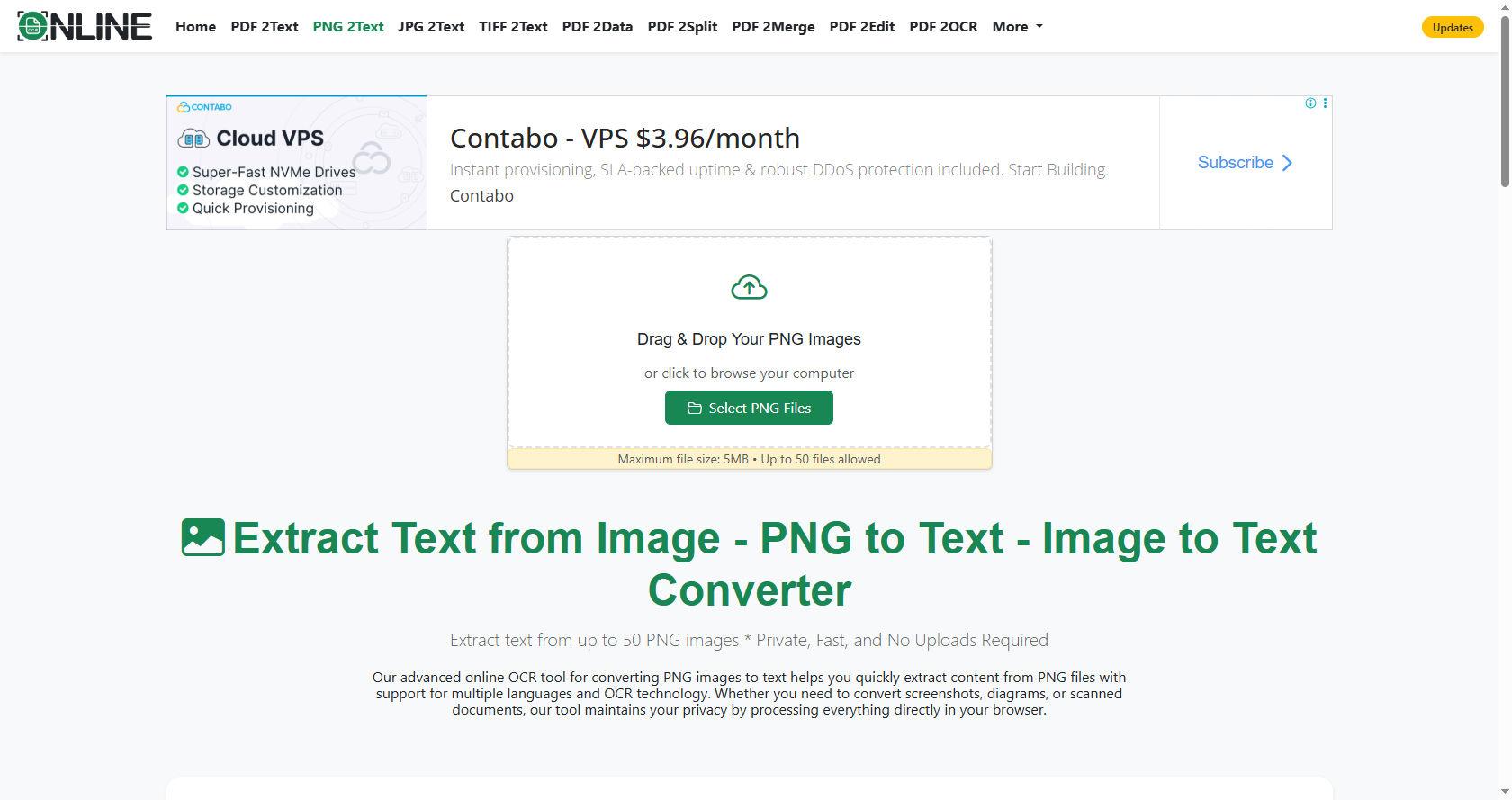
Picture to Text tools allow users to extract written content from images and convert it into editable digital text. Whether it is a screenshot, scanned document, or photo of handwritten notes, Picture to Text makes it easy to transform static images into usable words.
Students, teachers, professionals, and business owners rely on Picture to Text solutions to save time and improve productivity. Instead of typing everything manually, users can quickly convert images into text within seconds.
This guide will explain everything you need to know about Picture to Text, how it works, its benefits, real-life applications, and why a screenshot tool with Picture to Text features is essential in modern life.
Understanding Picture to Text Technology
What Is Picture to Text?
Picture to Text is a digital process that extracts written characters from images and turns them into machine-readable text. This process is usually powered by Optical Character Recognition (OCR).
When you upload a screenshot or image into a Picture to Text tool, the software scans the image. It detects letters, numbers, and symbols. Then it converts them into editable and searchable text.
This simple but powerful process eliminates the need for manual typing.
How Does Picture to Text Work?
The working process of Picture to Text usually follows these steps:
-
Image Upload
-
Image Preprocessing
-
Character Recognition
-
Text Conversion
-
Output Display
First, the system improves image quality. Then it identifies text patterns. After that, it matches the shapes with known characters. Finally, it generates editable text.
Modern Picture to Text tools use artificial intelligence to improve accuracy. They can even recognize multiple fonts and handwriting styles.
Why Picture to Text Screenshot Tool Is Important
Saves Time and Effort
Typing text from an image can take hours. A Picture to Text tool can do it in seconds. This saves valuable time for students and professionals.
Instead of rewriting long paragraphs, users can simply upload a screenshot and let Picture to Text handle the rest.
Increases Productivity
Productivity increases when tasks are completed faster. By using Picture to Text, people can focus on important work instead of repetitive typing.
Businesses especially benefit from Picture to Text because it speeds up documentation and data entry.
Reduces Human Error
Manual typing often leads to mistakes. A reliable Picture to Text tool reduces spelling errors and improves accuracy.
While no system is perfect, advanced Picture to Text technology offers high precision compared to manual copying.
Makes Content Editable
Text inside an image cannot be edited directly. But after using Picture to Text, you can copy, paste, edit, and format the content freely.
This flexibility makes Picture to Text extremely useful in academic and professional environments.
Key Features of a Good Picture to Text Screenshot Tool
High Accuracy
Accuracy is the most important feature. A strong Picture to Text tool should recognize clear text with minimal errors.
Advanced tools use AI-based recognition to improve the quality of Picture to Text results.
Multi-Language Support
A powerful Picture to Text solution should support different languages. This is helpful for global users.
Fast Processing Speed
Speed matters. The best Picture to Text tools process images instantly.
Screenshot Compatibility
A screenshot tool with Picture to Text integration allows users to capture screen content and convert it immediately.
Secure Data Handling
Privacy is important. A trustworthy Picture to Text platform ensures that uploaded images are safe and not misused.
Who Can Benefit from Picture to Text?
Students
Students often take screenshots of online lectures and notes. Instead of rewriting everything, they can use Picture to Text to extract the content.
This helps in preparing assignments, research papers, and exam notes.
Teachers
Teachers can scan printed worksheets and convert them using Picture to Text for digital distribution.
Office Professionals
Many professionals deal with scanned documents. Picture to Text helps convert them into editable formats for reports and presentations.
Researchers
Researchers often work with archived materials. A Picture to Text tool helps convert scanned research papers into searchable documents.
Business Owners
Invoices, receipts, and contracts can be digitized quickly using Picture to Text, improving business efficiency.
Practical Applications of Picture to Text Screenshot Tools
Extracting Text from Online Articles
Sometimes copying text from websites is restricted. With Picture to Text, users can take a screenshot and extract the needed information.
Converting Printed Notes
Printed notes can be photographed and converted using Picture to Text, making them easy to store digitally.
Social Media Content Extraction
If important text appears in an image on social media, Picture to Text can capture it quickly.
Digitizing Old Documents
Old letters and records can be preserved by converting them through Picture to Text technology.
Advantages of Using Picture to Text Over Manual Typing
Manual typing takes time. It also causes fatigue. Picture to Text eliminates repetitive work.
Here are some clear advantages:
-
Faster results
-
Higher efficiency
-
Improved accuracy
-
Easy editing
-
Better organization
With Picture to Text, users work smarter, not harder.
How Picture to Text Improves Academic Performance
Students who use Picture to Text tools manage their time better.
They can convert classroom board notes into digital text. They can also organize study materials more effectively.
When students rely on Picture to Text, they spend less time typing and more time understanding concepts.
This leads to improved academic performance.
The Role of Artificial Intelligence in Picture to Text
Modern Picture to Text systems use AI and machine learning.
These technologies allow Picture to Text tools to:
-
Recognize handwriting
-
Understand different fonts
-
Improve over time
-
Reduce recognition errors
AI-powered Picture to Text solutions continue to become smarter and more reliable.
Common Challenges in Picture to Text Technology
Blurry Images
If the image is unclear, Picture to Text may struggle to detect characters properly.
Complex Backgrounds
Busy backgrounds can reduce the accuracy of Picture to Text results.
Handwriting Variations
Some handwriting styles are difficult for Picture to Text systems to interpret.
However, advanced tools are improving daily to overcome these challenges.
Tips for Getting Better Results with Picture to Text
To improve the quality of Picture to Text conversion:
-
Use clear, high-resolution images.
-
Avoid shadows on the text.
-
Ensure proper lighting.
-
Crop unnecessary areas before uploading.
-
Use reliable Picture to Text software.
Following these steps can greatly improve the accuracy of Picture to Text output.
Comparing Free and Paid Picture to Text Tools
Free Picture to Text tools are helpful for simple tasks. However, they may have limitations.
Paid Picture to Text solutions often offer:
-
Higher accuracy
-
Batch processing
-
Multi-language support
-
Advanced editing features
-
Better security
Choosing the right Picture to Text tool depends on your needs.
Why Businesses Need Picture to Text Screenshot Tools
Businesses deal with massive amounts of information.
Using Picture to Text, companies can:
-
Automate data entry
-
Digitize paper records
-
Reduce administrative workload
-
Improve document management
A screenshot tool integrated with Picture to Text creates a seamless workflow. Employees can capture screen data and instantly convert it into text.
This increases overall efficiency.
Security and Privacy Considerations
When using Picture to Text, always choose platforms that protect user data.
Secure Picture to Text tools:
-
Encrypt uploaded files
-
Avoid storing data permanently
-
Follow privacy regulations
Security should never be ignored when selecting a Picture to Text solution.
Future of Picture to Text Technology
The future of Picture to Text looks promising.
With advancements in AI, Picture to Text tools will become:
-
More accurate
-
Faster
-
Better at recognizing handwriting
-
Capable of understanding context
In the coming years, Picture to Text may even integrate with augmented reality and smart devices.
This means users could point a camera at text and instantly convert it through Picture to Text systems.
How to Choose the Best Picture to Text Screenshot Tool
When selecting a Picture to Text tool, consider the following:
-
Accuracy rate
-
Ease of use
-
Speed
-
File format support
-
Security features
-
Customer support
Testing different Picture to Text options can help you find the best fit.
Step-by-Step Guide to Using Picture to Text Screenshot Tool
Here is a simple guide:
Step 1: Capture a Screenshot
Use your device’s screenshot feature.
Step 2: Upload the Image
Open your preferred Picture to Text tool and upload the screenshot.
Step 3: Convert
Click the convert button and allow the Picture to Text process to complete.
Step 4: Edit and Save
Copy the extracted text and make edits if needed.
This simple process shows how easy Picture to Text tools are to use.
Conclusion: Why Picture to Text Screenshot Tool Matters More Than Ever
In a world driven by digital communication, efficiency is essential. The ability to transform images into editable content has become a necessity rather than a luxury. This is exactly why Picture to Text technology plays such an important role today.
From students managing study materials to businesses handling documents, Picture to Text simplifies everyday tasks. It saves time, reduces errors, and increases productivity. Instead of spending hours typing, users can complete work in minutes.
A screenshot tool integrated with Picture to Text adds even greater convenience. It allows instant capture and conversion, making workflows smoother and faster.
As technology continues to evolve, Picture to Text will become even more advanced and accurate. Its applications will expand across industries, education systems, and personal use.
Choosing the right Picture to Text solution can significantly improve efficiency and organization. Whether you are a student, professional, or business owner, adopting Picture to Text tools can transform how you handle information.
In conclusion, the growing demand for speed, accuracy, and digital organization makes Picture to Text screenshot tools not just useful, but essential for modern life.