
Modern Pakistani fashion has come a long way over the years, evolving from traditional attire to a fusion of contemporary styles and cultural heritage. Today, fashion in Pakistan is not just about clothing; it is a statement of identity, culture, and personal expression.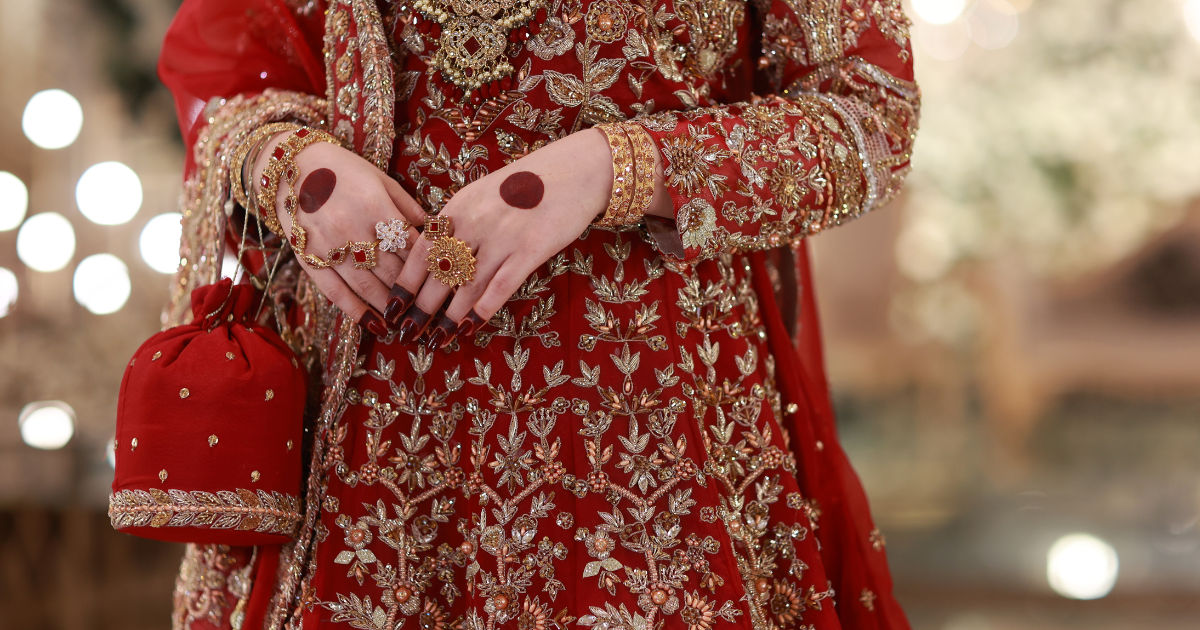
In understanding what defines modern Pakistani fashion today, one cannot ignore the influence of iconic designers, emerging trends, and cultural shifts that are reshaping how people dress.
Among these, one brand that stands out is Nani je, a symbol of elegance and modernity in Pakistani fashion.
The Evolution of Pakistani Fashion
Pakistani fashion has roots in centuries-old traditions, heavily influenced by Mughal culture, regional textile techniques, and handcrafted embroidery. In the past, clothing was largely traditional, focusing on shalwar kameez, lehengas, and sarees. Fabrics like silk, cotton, and chiffon, along with intricate embroidery, defined elegance and status.
Over time, with the rise of global exposure and modern media, fashion started incorporating elements of Western styles. Pakistani designers began experimenting with cuts, colors, and fabric combinations, blending traditional aesthetics with contemporary trends. Brands like Nani je have played a crucial role in this evolution, creating pieces that honor tradition while appealing to the modern consumer.
Key Elements of Modern Pakistani Fashion
Modern Pakistani fashion today can be characterized by several key elements that distinguish it from traditional attire:
1. Fusion of Traditional and Contemporary Styles
A significant aspect of modern fashion is the blending of old and new. Designers take inspiration from traditional embroidery techniques like gota, zardozi, and chikankari, and integrate them into modern silhouettes. For example, long flowing kurtas might now be paired with palazzos or tailored trousers instead of the traditional shalwar.
Brands like Nani je have perfected this fusion, offering collections that respect cultural heritage but are versatile enough for urban lifestyles.
2. Emphasis on Quality Fabrics
Fabric choice plays a crucial role in defining modern fashion. Lightweight fabrics like lawn, silk blends, and georgette dominate the market, providing comfort while allowing intricate designs to shine. Modern Pakistani fashion emphasizes sustainable and high-quality textiles, which appeal to environmentally conscious consumers.
3. Bold and Experimental Colors
Contemporary Pakistani fashion is no longer limited to pastel shades or traditional deep colors. Designers are experimenting with bold hues like emerald green, mustard yellow, and electric blue. These vibrant colors make statements in formal wear, casual outfits, and even bridal collections. Nani je is known for its creative color palettes that balance vibrancy with elegance.
4. Minimalism and Sophistication
Minimalism is a growing trend in Pakistani fashion. Many modern consumers prefer understated elegance over heavily embroidered or embellished garments. Simple cuts, subtle embroidery, and neutral colors are now celebrated in formal and casual collections. This shift reflects a global trend toward sophistication and simplicity.
5. Ready-to-Wear Culture
Previously, Pakistani fashion was largely custom-made. Today, ready-to-wear collections have surged in popularity, making high-quality fashion accessible to a broader audience. Brands like Nani je cater to this market, producing ready-to-wear collections that retain the craftsmanship of bespoke designs while being more convenient.
Popular Trends in Modern Pakistani Fashion
Modern Pakistani fashion is driven by dynamic trends influenced by social media, celebrities, and fashion weeks. Some key trends include:
1. Contemporary Bridal Wear
Bridal fashion has evolved dramatically. Brides today seek outfits that merge traditional embellishments with modern cuts and lightweight fabrics. Designer labels like Nani je create ensembles that are elegant yet comfortable, ensuring that brides look stunning without feeling restricted by heavy attire.
2. Statement Sleeves and Unique Cuts
Modern fashion experiments with sleeve designs, necklines, and hemlines. Puffy sleeves, cold shoulders, asymmetrical cuts, and layered hems are gaining popularity. These elements give traditional outfits a contemporary twist.
3. Mix-and-Match Ensembles
Mixing and matching different pieces is a hallmark of modern fashion. Women now combine traditional kurtas with modern trousers, jeans, or skirts. Accessories like belts, handbags, and shoes are carefully chosen to elevate the outfit, demonstrating a blend of global and local influences.
4. Designer Collaborations and Limited Editions
Collaborations between designers and brands have become a major trend. Limited edition collections allow consumers to own unique pieces that reflect current fashion sensibilities. Nani je often introduces seasonal collections that blend cultural motifs with modern appeal, catering to fashion-conscious individuals.
5. Gender-Neutral and Inclusive Fashion
Modern Pakistani fashion is gradually embracing inclusivity. Men’s fashion is exploring beyond traditional sherwanis and kurtas, incorporating tailored suits, casual wear, and even streetwear influences. Similarly, women’s fashion is becoming more versatile, with outfits designed for different body types and personal preferences.
Influential Designers Shaping Modern Fashion
Several designers have been instrumental in shaping what defines modern Pakistani fashion today. Apart from Nani je, which combines elegance and innovation, other prominent names include:
-
Sana Safinaz: Known for blending tradition with contemporary trends.
-
HSY (Hassan Sheheryar Yasin): Famous for luxurious bridal wear.
-
Elan: Celebrated for sophisticated couture collections.
-
Deepak Perwani: Pioneer of modern cuts and vibrant colors.
These designers have collectively transformed the fashion landscape, inspiring consumers to experiment with style while respecting cultural roots.
The Role of Media and Social Platforms
Social media has revolutionized fashion in Pakistan. Instagram, TikTok, and YouTube serve as platforms for designers, influencers, and brands like Nani je to showcase their collections. This instant exposure allows fashion enthusiasts to stay updated on trends and draw inspiration for personal styling.
Fashion weeks in Lahore, Karachi, and Islamabad also play a pivotal role in defining modern Pakistani fashion. These events provide a stage for emerging designers to present innovative ideas, pushing the boundaries of traditional fashion norms.
The Impact of Western Influence
Globalization has brought Western fashion trends into Pakistan. Jeans, jackets, modern dresses, and fusion wear are now commonly integrated into wardrobes. However, the charm of modern Pakistani fashion lies in the seamless blend of Western styles with traditional motifs, embroidery, and textiles.
Brands like Nani je successfully incorporate global trends without compromising on the cultural essence of Pakistani attire. This balance allows individuals to embrace fashion-forward styles while honoring heritage.
Fashion for Different Occasions
Modern Pakistani fashion caters to a variety of occasions, each with its own style requirements:
1. Casual Wear
Casual wear emphasizes comfort without sacrificing style. Cotton kurtas, lawn shirts, and simple dresses are popular choices. Designers often add subtle details like embroidered borders or printed patterns to elevate everyday outfits.
2. Formal Wear
Formal wear is designed for office environments, dinners, or social gatherings. Tailored trousers, elegant kurtas, and minimal embroidery define modern formal attire. Accessories like clutches, statement jewelry, and heels complement these ensembles.
3. Bridal and Festive Wear
Bridal and festive fashion remains a cornerstone of Pakistani clothing. Heavily embroidered lehengas, sarees, and embellished kurtas dominate this category. Modern designers like Nani je prioritize lightweight fabrics and innovative designs to make these outfits more wearable and stylish.
4. Streetwear and Urban Fashion
Younger generations are increasingly adopting streetwear-inspired trends. Hoodies, t-shirts, oversized jackets, and sneakers are paired with traditional garments to create unique fusion looks. This trend represents a growing openness to experimentation in Pakistani fashion.
Accessories and Their Role in Fashion
Accessories play a crucial role in modern Pakistani fashion. Jewelry, shoes, handbags, scarves, and belts enhance outfits and add personality. Statement jewelry, minimalistic chains, or handcrafted pieces from local artisans are popular choices. Modern fashion emphasizes a balance between bold and subtle accessories to complement the overall look.
Sustainability in Pakistani Fashion
Sustainability has become a pressing concern in fashion worldwide, and Pakistan is no exception. Modern consumers are seeking eco-friendly fabrics, ethical production processes, and long-lasting designs. Brands like Nani je are leading the way by incorporating sustainable materials and responsible production techniques, making fashion not only stylish but environmentally conscious.
Cultural Significance of Fashion
Fashion in Pakistan is deeply tied to cultural identity. Each region has its own textile traditions, embroidery styles, and color palettes. Modern fashion respects these cultural roots while making them accessible to urban audiences. Wearing Pakistani designer labels has become a way to express pride in one’s heritage while keeping up with global trends.
The Future of Modern Pakistani Fashion
The future of Pakistani fashion is promising and dynamic. Digital platforms, evolving consumer preferences, and the rise of innovative designers are shaping a new era. We can expect more fusion collections, gender-inclusive designs, sustainable fabrics, and global collaborations. Brands like Nani je will continue to lead the charge, offering timeless yet contemporary collections that resonate with both local and international audiences.
As technology advances, virtual fashion shows, AI-assisted designs, and digital wardrobes may become part of the mainstream fashion industry. However, the essence of Pakistani fashion will always remain its rich cultural heritage, craftsmanship, and vibrant aesthetics.
Conclusion
Modern Pakistani fashion today is a beautiful blend of tradition and innovation. It reflects cultural pride, creativity, and the individual’s desire to express themselves through style. Brands like Nani je exemplify this evolution, offering garments that respect heritage while embracing contemporary trends.
From bold colors to minimalist designs, ready-to-wear collections to couture masterpieces, modern Pakistani fashion is diverse, inclusive, and globally inspired. With sustainability, media influence, and innovative designers shaping the industry, Pakistani fashion continues to redefine itself, appealing to the modern consumer while honoring timeless cultural aesthetics.
Fashion in Pakistan is no longer just clothing—it is an identity, a lifestyle, and a statement. The journey of modern Pakistani fashion is ongoing, and it will continue to inspire creativity, cultural pride, and elegance for generations to come.