
In the digital world, visuals play a crucial role in grabbing attention. One of the most common elements you see on websites, social media, and video platforms is the thumbnail.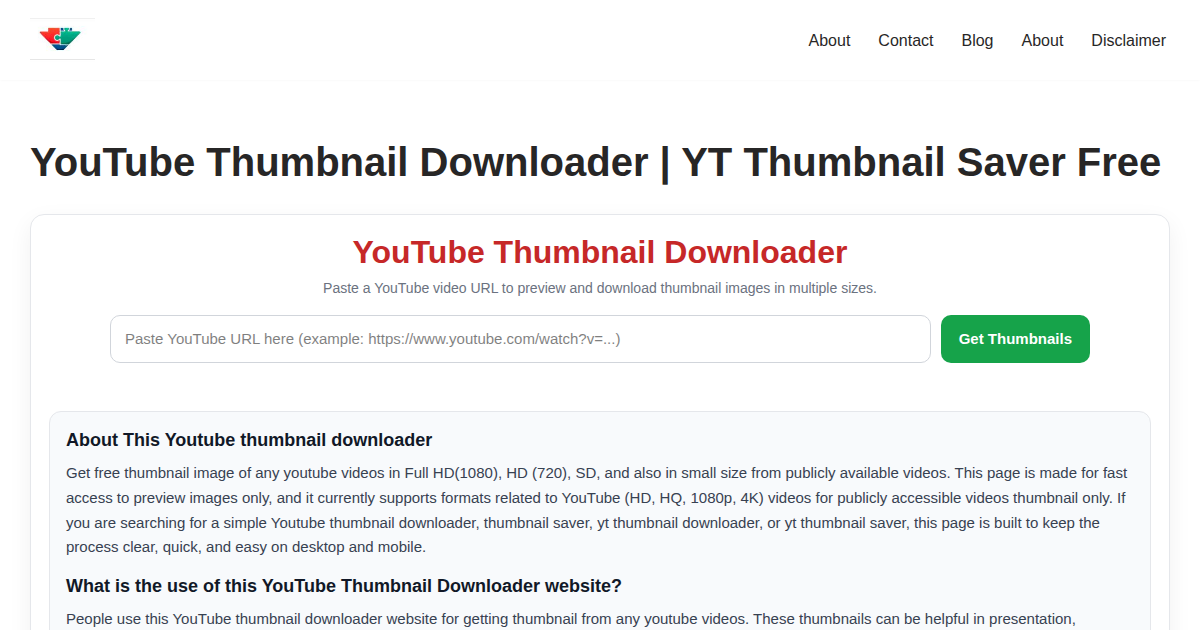
You might have come across the term "Thumbnail Save" and wondered what it really means. In simple terms, a Thumbnail Save refers to the process of saving small preview images—thumbnails—usually in high resolution.
These thumbnails are often associated with videos, articles, or any digital content that requires a visual preview.
Thumbnail Save is more than just saving a small image. It ensures that the preview is sharp, clear, and represents the content accurately.
With the rise of online content creation, understanding how to properly Thumbnail Save high-resolution images has become essential for both professionals and casual users.
This guide will break down everything you need to know about Thumbnail Save, its importance, techniques, tools, and practical applications.
By the end, you will have a thorough understanding of how to save thumbnails effectively without compromising quality.
Why Thumbnails Are Important
Thumbnails are small images, usually associated with larger content like videos, blogs, or digital galleries. They act as the first impression for viewers. A well-crafted thumbnail can make the difference between someone clicking on your content or scrolling past it.
When you Thumbnail Save high-resolution images, you maintain the visual integrity of the content. Low-quality thumbnails can appear blurry, pixelated, or unattractive, which can reduce engagement. In contrast, high-resolution thumbnails are crisp, professional, and appealing, attracting more clicks and views.
Think of thumbnails as book covers. Just as a book cover entices readers, thumbnails attract online audiences. Therefore, learning how to Thumbnail Save effectively is a vital skill for digital marketers, content creators, and website owners.
What Does "Thumbnail Save High Res" Mean?
Thumbnail Save High Res refers to the practice of saving thumbnail images in high-resolution formats. Traditionally, thumbnails are low-resolution images, optimized for speed and storage. However, in many modern applications, high-resolution thumbnails are preferred because they offer better clarity and detail.
High-resolution thumbnails are particularly useful for platforms like YouTube, online stores, and social media. These thumbnails need to be clear on devices of all sizes, from mobile screens to large desktop monitors. By ensuring your Thumbnail Save is high res, you improve the overall appearance of your content and enhance user experience.
Difference Between Standard and High-Resolution Thumbnails
-
Standard Thumbnails:
-
Usually small, low-resolution images.
-
Optimized for quick loading.
-
Suitable for basic previews.
-
-
High-Resolution Thumbnails:
-
Larger image size, more pixels.
-
Clearer and sharper details.
-
Better for devices with high-density screens.
-
Thumbnail Save in high resolution ensures that your images look professional and retain their quality across all platforms.
Common Uses of Thumbnail Save
Thumbnail Save is widely used across digital platforms. Here are some of the most common applications:
-
Video Platforms:
Platforms like YouTube, Vimeo, and TikTok use thumbnails as the cover image for videos. Creators often Thumbnail Save high-res images to make their videos stand out in search results. -
E-commerce Websites:
Product listings use thumbnails to display items in a catalog view. High-resolution thumbnails make products look more appealing and can increase sales. -
Blogs and Articles:
Online articles often feature thumbnail images to provide readers with a visual summary of the content. High-res thumbnails enhance readability and engagement. -
Social Media:
Platforms like Facebook, Instagram, and Twitter use thumbnails for posts and previews. High-resolution thumbnails ensure that images look sharp even when shared widely. -
Digital Galleries:
Photographers and artists often Thumbnail Save high-res images to showcase their work online without compromising detail.
How to Thumbnail Save High-Resolution Images
Thumbnail Save may seem simple, but doing it correctly requires attention to detail. Below are the key steps to ensure your thumbnails are saved in high resolution.
Step 1: Choose the Right Format
The image format plays a major role in quality. Common formats include:
-
JPEG: Good for photographs, smaller file sizes, slightly compressed.
-
PNG: Ideal for images with transparency, retains sharpness.
-
WebP: Modern format offering high quality with smaller size.
When Thumbnail Save, selecting the right format ensures your image looks crisp and loads efficiently.
Step 2: Maintain Proper Resolution
High-resolution thumbnails should have enough pixels to appear sharp on all devices. A common guideline is:
-
YouTube: 1280 x 720 pixels minimum
-
E-commerce thumbnails: 800 x 800 pixels or higher
-
Blog previews: At least 600 x 400 pixels
Always ensure that the resolution matches the platform requirements to avoid blurry thumbnails.
Step 3: Use Editing Tools
Editing tools can help enhance the quality before you Thumbnail Save:
-
Adobe Photoshop: Professional tool for image editing and optimization.
-
Canva: User-friendly tool for creating visually appealing thumbnails.
-
GIMP: Free alternative for high-quality image editing.
Using these tools, you can adjust contrast, brightness, and sharpness before saving.
Step 4: Optimize File Size
While high-resolution images are essential, large file sizes can slow down websites. Compression tools like TinyPNG or ImageOptim can reduce file size without losing quality. Thumbnail Save should strike a balance between clarity and efficiency.
Step 5: Save Correctly
When saving, always select “Save As” or “Export” and choose high-quality settings. Avoid using low-quality default options, as they can reduce clarity. Properly saved high-res thumbnails improve visibility and user experience.
Best Practices for Thumbnail Save
To get the most out of Thumbnail Save, follow these best practices:
-
Keep It Simple: Thumbnails should clearly convey the content. Avoid cluttered visuals.
-
Use High Contrast: Bright and contrasting colors attract attention.
-
Include Text Sparingly: If adding text, make it readable even in small sizes.
-
Test Across Devices: Check how thumbnails appear on mobile, tablet, and desktop screens.
-
Consistent Style: Maintain a consistent style for brand recognition.
By following these guidelines, your Thumbnail Save will consistently produce professional and attractive previews.
Tools to Thumbnail Save High-Resolution Images
Several tools and software can help you Thumbnail Save efficiently:
-
Photoshop: Offers advanced features for image optimization.
-
Canva: Easy-to-use templates for thumbnails.
-
Figma: Ideal for UI and web-based thumbnail design.
-
Snagit: Quick capture and saving of thumbnails from videos or screens.
-
Online Thumbnail Savers: Websites that allow you to download high-res thumbnails from platforms like YouTube.
Choosing the right tool depends on your needs and skill level. Professionals may prefer Photoshop, while beginners can rely on Canva or online tools.
Challenges in Thumbnail Save
While saving thumbnails seems straightforward, there are common challenges:
-
Loss of Quality: Saving in the wrong format or low resolution can cause pixelation.
-
Copyright Issues: Downloading thumbnails from others’ content can violate copyright.
-
Large File Sizes: High-res images can increase website load times if not optimized.
-
Device Compatibility: Thumbnails may appear differently on various screens.
Understanding these challenges helps you avoid mistakes and make the most of Thumbnail Save.
Advanced Tips for Thumbnail Save
If you want to take your Thumbnail Save to the next level, consider these advanced tips:
-
Use Vector Images: Vector-based thumbnails remain sharp at any size.
-
Add Watermarks: Protect your content when sharing online.
-
Batch Processing: Tools like Photoshop or GIMP allow batch saving of multiple thumbnails at once.
-
Monitor Analytics: Platforms like YouTube Analytics can show which thumbnails perform best.
These strategies not only improve quality but also enhance content reach and engagement.
Why Thumbnail Save Matters for SEO
High-quality thumbnails contribute to better user experience, which is a key factor in SEO. Clear and engaging thumbnails can increase click-through rates (CTR) from search results or social media shares. When you consistently Thumbnail Save high-res images, your content looks professional and trustworthy, indirectly boosting search rankings.
Moreover, search engines like Google consider image quality when ranking content in search results, especially for video and image searches. Therefore, Thumbnail Save is not just about visuals; it also impacts your digital visibility.
Frequently Asked Questions About Thumbnail Save
Q1: Can I Thumbnail Save from YouTube?
Yes, you can, but only for personal use or with permission. Many online tools let you download high-res thumbnails, but always respect copyright laws.
Q2: What is the ideal size for a thumbnail?
It depends on the platform. For example, YouTube recommends 1280 x 720 pixels, while blogs may require smaller sizes like 600 x 400 pixels.
Q3: Does saving in PNG improve quality?
Yes, PNG preserves sharpness and supports transparency, making it a preferred format for graphics and text-based thumbnails.
Q4: Can thumbnails be used commercially?
Only if you own the content or have proper licensing. Using others’ thumbnails without permission can lead to legal issues.
Conclusion
Thumbnail Save High Res is more than a technical task; it’s an essential skill for anyone involved in digital content creation. High-quality thumbnails attract attention, improve user engagement, and enhance the overall professionalism of your content. By understanding the process, choosing the right tools, and following best practices, you can ensure that every Thumbnail Save you perform adds value to your content.
From videos to blogs, e-commerce to social media, high-resolution thumbnails make a significant impact. Optimizing resolution, format, and file size while maintaining visual appeal ensures that your content stands out in a crowded digital landscape. Whether you are a beginner or a professional, mastering Thumbnail Save is a step towards creating visually appealing, effective, and engaging digital content.
Invest time in learning and applying these strategies. High-quality thumbnails not only represent your content but also your brand’s credibility. Start practicing Thumbnail Save today and watch your digital presence improve dramatically.