
In today’s globalized world, raising multilingual children has become more common than ever. Parents and educators are constantly searching for effective tools to support children in learning multiple languages from an early age. One of the most engaging ways to nurture language skills is through digital books designed specifically for young learners.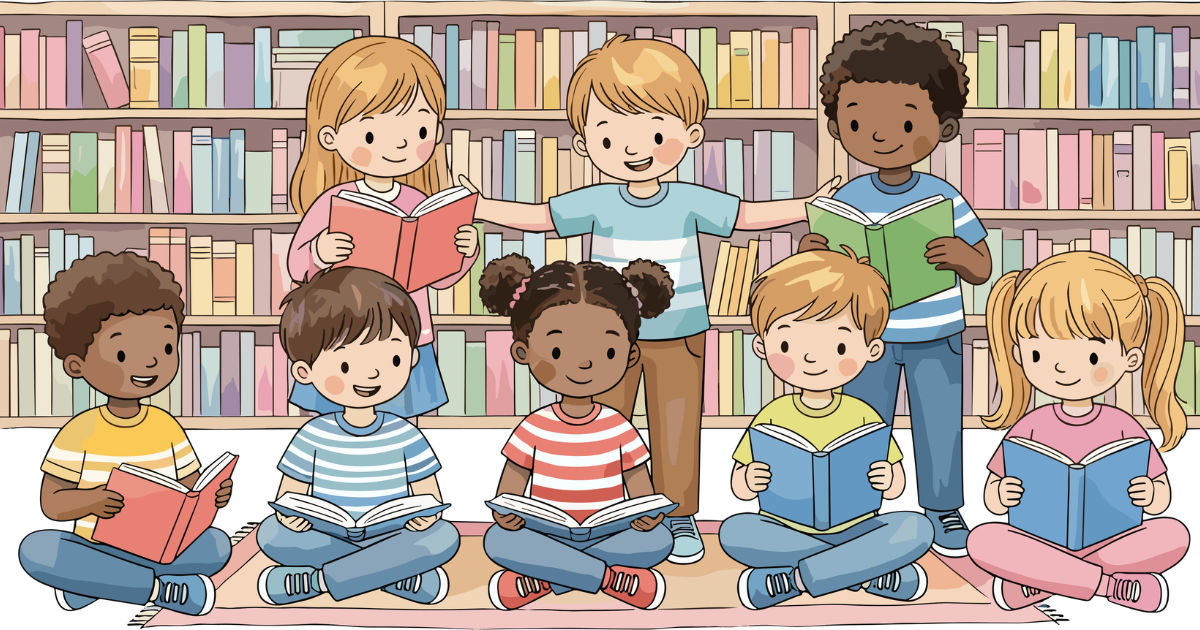
Platforms like AYA Language Lab provide innovative multilingual children’s digital books that make learning fun, interactive, and effective.
This guide will explore everything you need to know about choosing, using, and maximizing the benefits of multilingual digital books for children.
Why Multilingual Digital Books Are Important
Learning multiple languages at a young age provides cognitive, social, and cultural benefits. Children exposed to different languages develop stronger problem-solving skills, enhanced memory, and greater empathy. Digital books make this process more interactive than traditional books. They combine audio, visual, and textual elements, helping children associate words with sounds and images more effectively.
Multilingual digital books also allow children to experience languages in context. Instead of memorizing vocabulary, children encounter words through stories, songs, and interactive games. Platforms like AYA Language Lab provide curated content in several languages, ensuring that learners experience authentic pronunciation, grammar, and cultural nuances.
Features of Great Multilingual Children’s Digital Books
When selecting a digital book for multilingual children, not all options are created equal. Here are key features to look for:
Interactive Audio
Audio narration is a crucial feature. It helps children hear the correct pronunciation of words, phrases, and sentences. Some digital books allow children to repeat words or phrases, reinforcing speaking skills.
Multiple Language Options
The ability to switch between languages is vital. Digital books should offer the same story in multiple languages, allowing children to compare and understand similarities and differences. AYA Language Lab excels in offering multi-language support in its interactive books.
Engaging Visuals
Illustrations and animations help children connect words to images. Bright, age-appropriate visuals keep learners engaged and make reading an enjoyable experience. Visual cues also assist in comprehension for children who are still developing their reading skills.
Gamification
Interactive games and quizzes embedded in the story encourage active participation. These features transform reading into an engaging learning activity rather than a passive task.
Progress Tracking
A system that tracks a child’s progress helps parents and educators identify areas where the child excels or needs improvement. Digital books with built-in analytics provide insights into language comprehension, vocabulary growth, and reading fluency.
Benefits of Using Digital Books Over Traditional Books
Digital books offer advantages that printed books cannot. The main benefits include:
Accessibility
Digital books can be accessed anywhere, anytime. Whether on a tablet, smartphone, or computer, children can read and learn without being limited to physical books.
Customization
Digital books can be customized for different learning levels. Fonts, colors, and even story pacing can be adjusted to suit a child’s needs.
Multisensory Learning
Combining audio, visuals, and text caters to various learning styles. Some children learn better by seeing, others by hearing, and some through interaction. Digital books cover all these bases.
Encouragement of Self-Learning
Children often feel motivated when they can control their own learning. Digital books allow learners to explore stories, repeat sections, or test themselves at their own pace.
Choosing the Right Multilingual Digital Book
Selecting the right digital book involves understanding your child’s age, language proficiency, and interests. Here are steps to ensure you choose the best option:
Identify Age-Appropriate Content
Books should be suitable for the child’s developmental stage. Younger children benefit from picture-heavy books with simple sentences. Older children may enjoy longer stories with complex vocabulary.
Check Language Accuracy
Ensure the digital book has authentic language content. Look for platforms like AYA Language Lab that use native speakers to record narrations. This ensures correct pronunciation and grammar.
Evaluate Interactivity
Interactive elements should enhance learning, not distract. Features like clickable words, vocabulary games, and comprehension quizzes can boost engagement without overwhelming the child.
Consider Cultural Relevance
Stories should reflect diverse cultures to build empathy and global awareness. Multilingual books that incorporate cultural lessons help children understand the context of the language they are learning.
Test Device Compatibility
Digital books must be compatible with your device. Some platforms offer apps for tablets and smartphones, while others may work through a web browser. Ensure smooth functionality before investing.
Top Types of Multilingual Digital Books
Digital books for multilingual children come in several formats. Each has its own benefits:
Storybooks
Classic storybooks in multiple languages introduce vocabulary and sentence structures naturally. Stories featuring familiar themes like friendship, adventure, or animals help children relate to the content.
Interactive Picture Books
Picture books with interactive features encourage active learning. Children can tap images to hear words, match objects to vocabulary, or follow guided activities.
Educational Games in Story Format
These books combine narrative with learning activities. For example, children may help a character solve puzzles while practicing language skills.
Bilingual Books
Books with side-by-side translations allow children to see both languages simultaneously. This format is excellent for comparing grammar, syntax, and vocabulary.
Audiobooks with Visuals
For children who struggle with reading, audiobooks paired with images are highly effective. They allow learners to follow along with narration, improving listening and reading comprehension.
How to Incorporate Digital Books Into Daily Learning
Digital books are most effective when used consistently. Here are some strategies for integrating them into daily routines:
Set a Reading Schedule
Establish a routine to encourage consistent reading. Even 15–20 minutes per day can significantly improve language skills over time.
Use Multiple Languages
Rotate languages during reading sessions. For example, read a story in Spanish one day and French the next. Platforms like AYA Language Lab make switching languages seamless.
Discuss the Story
After reading, ask questions about the plot, characters, and vocabulary. This encourages comprehension, critical thinking, and verbal expression.
Combine with Real-Life Activities
Reinforce learning by connecting stories to everyday experiences. If a book features fruits or animals, try identifying them in real life.
Encourage Story Retelling
Ask children to retell stories in their own words or another language. This builds speaking confidence and reinforces vocabulary retention.
Supporting Multilingual Learning Beyond Digital Books
Digital books are powerful, but they work best alongside other strategies:
Conversation Practice
Speaking is crucial. Encourage children to converse in the languages they are learning. Even short daily dialogues improve fluency.
Language Classes or Clubs
Participation in language classes or cultural clubs provides structured learning. These environments often complement digital book experiences.
Music and Songs
Songs in multiple languages improve pronunciation and memory. Combine singing with reading to enhance engagement.
Cultural Exposure
Movies, videos, and virtual cultural tours expand understanding. Children learn not just words, but context and usage.
Consistent Reinforcement
Frequent exposure strengthens retention. Encourage revisiting stories or vocabulary periodically to prevent forgetting.
Role of Parents and Educators
Parents and teachers play a pivotal role in making digital books effective:
Active Participation
Reading together fosters bonding and makes language learning enjoyable. Parents can help explain new words or concepts.
Monitoring Progress
Track progress using built-in analytics or personal observation. Adjust difficulty levels and reading frequency based on development.
Encouraging Curiosity
Ask open-ended questions about the story or illustrations. Curiosity-driven learning promotes long-term language retention.
Modeling Language Use
Demonstrate language usage in real-life contexts. Children learn by imitation, so hearing adults use new words correctly is invaluable.
Providing Praise and Feedback
Positive reinforcement encourages confidence. Celebrate milestones like finishing a story or learning a set of new words.
Choosing a Trusted Platform
Selecting a reliable digital book platform ensures quality content and learning consistency. Features to prioritize include:
-
Native speaker narration
-
Multilingual support
-
Age-appropriate stories
-
Interactive elements
-
Progress tracking
AYA Language Lab is widely recognized for combining all these features. Its platform offers carefully curated multilingual digital books, audio narration by native speakers, interactive storytelling, and analytics to monitor learning progress.
Common Challenges and How to Overcome Them
Even with excellent digital books, challenges may arise:
Short Attention Spans
Young learners may get distracted by animations or device notifications. Use timers, break stories into shorter sections, and maintain a quiet reading environment.
Language Confusion
Children may mix languages at first. Encourage practice in context, and allow mistakes as part of the learning process.
Limited Device Access
Not all families have access to tablets or computers. Offline reading options or shared device schedules can help.
Over-Reliance on Digital Content
Digital books should complement, not replace, real-world experiences. Balance digital learning with hands-on activities, conversations, and outdoor play.
Motivation Drops
Introduce new stories, games, or languages periodically to keep engagement high. Platforms like AYA Language Lab frequently update content to maintain interest.
Tips for Maximizing Learning with Digital Books
To get the most from multilingual digital books:
-
Encourage reading aloud to improve pronunciation.
-
Use bookmarks or highlights for difficult words.
-
Revisit favorite stories to reinforce vocabulary.
-
Pair stories with arts, crafts, or role-play for immersive learning.
-
Track achievements and celebrate milestones to boost motivation.
Case Study: Success with AYA Language Lab
Several schools and parents report remarkable results using AYA Language Lab. Children demonstrate faster vocabulary acquisition, better pronunciation, and higher reading engagement. Interactive stories keep children motivated, while progress tracking allows parents to monitor development accurately. This platform’s approach emphasizes enjoyment alongside learning, which is key for sustainable multilingual growth.
Future of Multilingual Digital Books
The future promises even more innovation in this space. Emerging technologies like AI-generated interactive stories, virtual reality experiences, and personalized learning algorithms are set to revolutionize multilingual education. Platforms like AYA Language Lab are at the forefront, constantly updating content and integrating technology to meet diverse learning needs.
Conclusion
Multilingual digital books are transforming how children learn languages. They combine storytelling, interactivity, and technology to create a holistic learning experience. Parents and educators must carefully select platforms and books that are age-appropriate, culturally relevant, and linguistically accurate. By incorporating daily reading routines, discussing stories, and engaging children in active learning, language skills can develop naturally and effectively. Platforms like AYA Language Lab provide a trusted, high-quality solution for multilingual children’s education, combining native narration, interactive features, and analytics to ensure children thrive in a multilingual environment.
By embracing these digital tools, families can provide children with not just language skills, but cognitive flexibility, cultural awareness, and a lifelong love for learning. Multilingual digital books are no longer just an option—they are an essential part of modern education that fosters confident, skilled, and curious global citizens.