Neer Dosa is a traditional South Indian delicacy that has slowly gained popularity across the world. If you’ve ever visited a place like Mirchili Karachi, you might have come across this light, delicate, and incredibly tasty rice crepe. Unlike regular dosa, Neer Dosa is soft, thin, and doesn’t require fermentation, making it easier to prepare […]
Neer Dosa is a traditional South Indian delicacy that has slowly gained popularity across the world. If you’ve ever visited a place like Mirchili Karachi, you might have come across this light, delicate, and incredibly tasty rice crepe. Unlike regular dosa, Neer Dosa is soft, thin, and doesn’t require fermentation, making it easier to prepare for anyone who loves quick and authentic Indian food.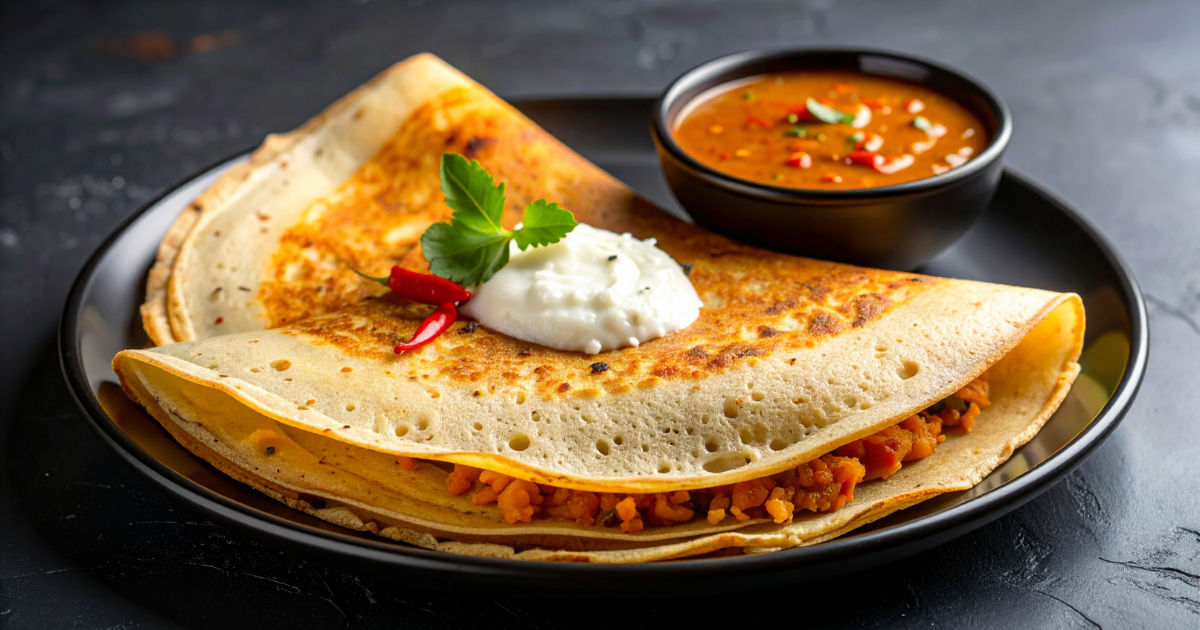
The word “neer” in Kannada means water, and this perfectly describes the light, watery consistency of the batter. This dosa is loved for its unique texture, subtle taste, and its ability to pair with a variety of side dishes like coconut chutney, sambar, or spicy curries.
In this guide, we will dive deep into what Neer Dosa is, its history, ingredients, preparation methods, and tips for making the perfect batch at home.
Whether you are a beginner or an experienced cook, this article will provide everything you need to know to master Neer Dosa, just like the ones served at Mirchili Karachi.
What Is Neer Dosa?
Neer Dosa is a type of thin rice crepe originating from the coastal regions of Karnataka, India. Unlike traditional dosa, which requires fermentation and has a tangy flavor, Neer Dosa is soft, neutral in taste, and ready to cook in minutes.
The uniqueness of Neer Dosa lies in its simplicity. Its batter consists mainly of soaked rice and water, sometimes with a pinch of salt. There’s no need for yeast, baking soda, or long fermentation times. This makes it an ideal breakfast or dinner option when you are short on time but want something wholesome and delicious.
The texture is slightly lacy and translucent, almost like a delicate pancake, but thinner. Neer Dosa is versatile and can be served with both vegetarian and non-vegetarian curries. When served at places like Mirchili Karachi, it’s often paired with spicy chicken curry or coconut chutney, making it a favorite among both locals and tourists.
History and Origin
Neer Dosa has its roots in the Udupi-Mangalore region of Karnataka. The coastal regions of India are known for rice-based cuisines, and Neer Dosa is one of the simplest yet most elegant examples.
Historically, it was a staple breakfast item in coastal Karnataka. Families would soak rice overnight, grind it, and make these dosas fresh in the morning. Unlike other dosas, which need fermentation to develop flavor and texture, Neer Dosa allowed households to make it quickly with minimal preparation.
Over the years, its popularity spread beyond Karnataka. Today, restaurants across India and even internationally, including places like Mirchili Karachi, serve Neer Dosa as a specialty item. Its lightness and ability to complement spicy and rich curries have made it a beloved choice for many.
Ingredients Required for Neer Dosa
The ingredients for Neer Dosa are minimal and easy to source. Here’s what you need:
-
Raw rice – 1 cup (preferably sona masoori or any short-grain rice)
-
Water – 2 to 2.5 cups, for soaking and grinding
-
Salt – to taste
-
Oil or ghee – for greasing the pan
Optional ingredients:
-
Coconut – grated, for added flavor in the batter
-
Green chilies – for a subtle spicy kick
-
Cumin seeds – for aroma
The beauty of Neer Dosa is that it relies on the natural flavor of rice. There’s no need for complex spices or ingredients. Using high-quality rice will make a huge difference in the final texture and taste.
How to Prepare Neer Dosa Batter
Soaking the Rice
The first step is soaking the rice. Rinse the rice thoroughly in water until it runs clear. This removes excess starch and prevents the batter from becoming sticky. Soak the rice in fresh water for at least 4 to 6 hours or overnight for best results.
Grinding the Rice
Drain the soaked rice and transfer it to a blender or wet grinder. Add fresh water gradually and grind until you get a smooth, flowing batter. The batter should have a thin consistency, almost like milk. This is crucial because thick batter will result in heavy dosas rather than the delicate, soft texture that Neer Dosa is known for.
Adding Salt and Resting
Once the batter is smooth, add salt to taste. Some people prefer adding grated coconut at this stage for a richer flavor. You can let the batter rest for 10-15 minutes, but unlike traditional dosa batter, there’s no need for long fermentation.
The thin consistency of the batter is what makes Neer Dosa unique. It is this watery nature that allows it to cook quickly and remain soft and lacy.
Cooking Neer Dosa
Preparing the Pan
Use a non-stick pan or a traditional cast-iron skillet. Heat it on medium flame. Lightly grease it with oil or ghee. Unlike regular dosa, Neer Dosa is not spread with a ladle; instead, the batter is poured in a circular motion and allowed to coat the pan naturally.
Pouring the Batter
Take a ladleful of batter and pour it onto the hot pan. Quickly tilt the pan in a circular motion to spread the batter evenly. Do not spread with a spoon; the thin, watery batter will spread itself.
Cooking Time
Cook the Neer Dosa on medium flame for about 1-2 minutes until the edges start lifting. There’s no need to flip it. Its delicate texture ensures it cooks quickly on one side. Remove it gently using a spatula and stack it on a plate. Repeat the process with the remaining batter.
Serving Neer Dosa
Neer Dosa is best served hot. It pairs wonderfully with coconut chutney, vegetable stew, or spicy curries. In places like Mirchili Karachi, it is often served with chicken curry or mutton gravy, making it a complete meal. You can also roll the dosa and stuff it with a filling for a unique twist.
Tips for Perfect Neer Dosa
-
Consistency of Batter – The batter should be thin. Adding too little water will make it thick and heavy.
-
Pan Temperature – Ensure the pan is moderately hot. Too high heat will burn the dosa; too low and it won’t cook evenly.
-
Oil/Ghee – Use a very small amount. Neer Dosa is naturally light and should not be oily.
-
Rice Choice – Sona masoori or any medium-grain rice works best. Avoid sticky rice varieties.
-
Resting Time – A short rest is enough. Over-resting can make the batter separate.
These simple tips can help you replicate restaurant-quality Neer Dosa at home, like the ones served at Mirchili Karachi.
Serving Suggestions
Neer Dosa is incredibly versatile. Here are some popular ways to serve it:
-
With Coconut Chutney – A traditional pairing that enhances the delicate flavor of the dosa.
-
With Vegetable Stew – Soft, flavorful vegetable curries complement the thin dosa perfectly.
-
With Spicy Curries – Chicken, mutton, or fish curries bring out the neutral flavor of the dosa beautifully.
-
As a Wrap – Roll Neer Dosa with spiced fillings for a modern twist.
The beauty of Neer Dosa lies in its ability to pair with both mild and intense flavors. At Mirchili Karachi, you will notice that it’s often paired with spicy chicken or mutton curry, which creates a perfect balance of taste and texture.
Health Benefits of Neer Dosa
Neer Dosa is not just tasty; it’s also healthy. Here’s why:
-
Low in Fat – Minimal oil is used, making it a light meal.
-
Gluten-Free – Made primarily from rice, it’s ideal for people with gluten intolerance.
-
Easily Digestible – The thin, soft texture makes it gentle on the stomach.
-
Versatile – Can be paired with protein-rich curries for a balanced meal.
For those conscious about health but unwilling to compromise on taste, Neer Dosa is a perfect choice. Restaurants like Mirchili Karachi highlight this by serving it as a lighter alternative to heavier breads and pancakes.
Common Mistakes to Avoid
-
Thick Batter – Leads to dense, heavy dosas instead of light, soft ones.
-
High Heat – Can burn the dosa quickly. Medium heat is best.
-
Over-Greasing – Neer Dosa needs minimal oil. Too much oil can make it soggy.
-
Skipping Rest Time – While not essential, a short rest improves texture.
-
Using Wrong Rice – Avoid sticky or basmati rice, as they won’t produce the right texture.
Avoiding these mistakes will ensure your Neer Dosa comes out perfect every time. Even beginners can achieve professional results with practice.
Neer Dosa vs Regular Dosa
-
Fermentation – Regular dosa requires fermentation; Neer Dosa does not.
-
Texture – Regular dosa is thicker and crispier; Neer Dosa is thin and soft.
-
Taste – Neer Dosa is neutral, making it suitable for spicy curries.
-
Preparation Time – Neer Dosa is quicker to prepare due to no fermentation.
Understanding these differences can help you choose the right dosa for your meal. If you ever visit a place like Mirchili Karachi, you’ll notice the distinct texture and flavor of Neer Dosa compared to regular dosas.
Modern Variations
While traditional Neer Dosa remains popular, chefs and home cooks have experimented with modern variations:
-
Stuffed Neer Dosa – Filling with spiced potatoes, paneer, or vegetables.
-
Herb-Infused Batter – Adding cilantro, curry leaves, or green chilies for aroma.
-
Mini Neer Dosa – Bite-sized versions for snacks or appetizers.
These innovations allow Neer Dosa to adapt to modern tastes while retaining its traditional charm.
Conclusion
Neer Dosa is a testament to the simplicity and elegance of South Indian cuisine. Its delicate texture, minimal ingredients, and versatility make it a favorite for many, whether served traditionally with chutney and curries or creatively with modern fillings.
From its origins in coastal Karnataka to being served at places like Mirchili Karachi, Neer Dosa has crossed boundaries and won hearts worldwide. With this guide, you can now make perfect Neer Dosa at home, avoiding common mistakes, understanding the right batter consistency, and exploring serving options.
Next time you want a light, healthy, and delicious meal, try Neer Dosa. Its soft, thin crepe paired with a flavorful curry will make your meal memorable. The ease of preparation and its adaptability to various side dishes ensures that Neer Dosa will remain a staple in your kitchen for years to come.
Whether you are a beginner learning Indian cuisine or an experienced cook looking to perfect a traditional dish, Neer Dosa is simple, satisfying, and truly delightful. Enjoy this culinary gem and explore the flavors of South India, right from your home, just like at Mirchili Karachi.