
In today’s digital world, live streaming has become a central part of how we consume entertainment, news, and educational content.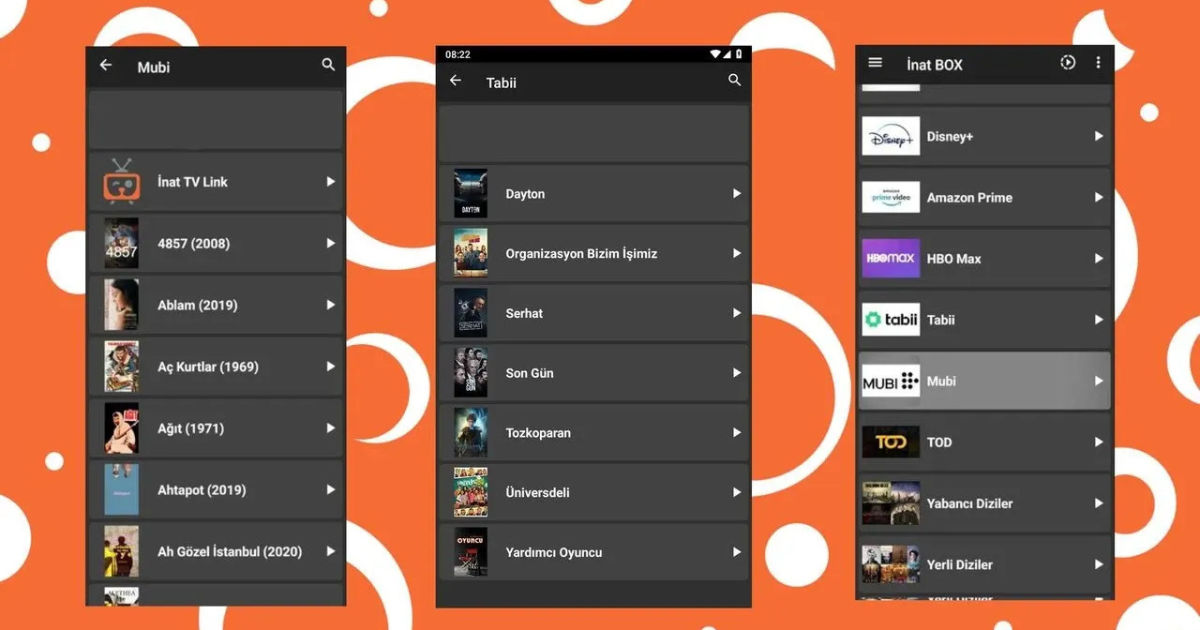
Among the platforms that have gained attention in recent years is Inat TV, which allows users to watch live television channels online seamlessly.
Understanding how Inat TV live streaming works can give users insights into the technology behind the platform and why it is becoming increasingly popular for viewers who prefer online TV experiences.
What is Inat TV?
Inat TV is an online platform that provides live streaming of television channels over the internet. Unlike traditional cable or satellite TV, Inat TV does not require a physical connection or a set-top box. Users can access their favorite TV channels directly from a web browser, smartphone, or smart TV application. This flexibility has made Inat TV popular among audiences who want to watch live content anytime, anywhere.
The platform supports a wide variety of channels, ranging from entertainment and news to sports and educational content. The key advantage of Inat TV lies in its accessibility and the convenience of streaming without geographical limitations.
How Live Streaming Works
Live streaming is a process that allows users to watch video content in real-time over the internet. Unlike downloading a video file, live streaming sends data continuously from the source to the viewer. To understand how Inat TV live streaming works, we need to explore the technical components that make it possible.
Video Capture
The first step in live streaming is video capture. Television channels send their video signals from cameras and studio equipment to the Inat TV servers. These signals are often in analog or digital format, depending on the broadcasting system used by the channel.
High-quality cameras and broadcasting equipment ensure that the captured video maintains clarity and resolution suitable for streaming over the internet. Inat TV uses professional-grade equipment to capture live events accurately and with minimal delay.
Video Encoding
Once the video is captured, it must be encoded into a digital format suitable for streaming. Video encoding compresses the video data while maintaining quality so that it can be transmitted over the internet efficiently.
Inat TV uses advanced codecs, such as H.264 or H.265, which are widely adopted for live streaming. These codecs reduce the file size without significant loss of video quality, enabling smooth streaming even on slower internet connections.
Video Segmentation
After encoding, the video is divided into small segments or chunks. These segments are typically a few seconds long and are delivered sequentially to the viewer. Segmenting the video allows Inat TV to adapt to the viewer’s internet speed and maintain continuous playback.
This technique is especially important for live streaming because internet speeds can fluctuate. By sending smaller chunks of video, Inat TV ensures that viewers experience minimal buffering and lag.
Content Delivery Network (CDN)
A critical component of Inat TV live streaming is the Content Delivery Network (CDN). CDNs are networks of servers distributed across different locations worldwide. They store copies of the video content and deliver it to viewers from the nearest server.
Using a CDN reduces latency and buffering by minimizing the distance between the viewer and the server. When you watch a live stream on Inat TV, the data travels through the CDN to reach your device quickly and efficiently.
Adaptive Bitrate Streaming
Internet speeds can vary among viewers, which can affect video quality. Inat TV uses adaptive bitrate streaming to adjust the video quality automatically based on the viewer’s internet connection.
If the internet speed is high, the platform streams the video in full HD or even 4K resolution. If the connection is slower, the quality is reduced to prevent buffering. This seamless adjustment ensures a smooth viewing experience for all users.
Playback on User Devices
Finally, the live stream reaches the user’s device, where it is decoded and displayed. Inat TV supports multiple devices, including smartphones, tablets, laptops, and smart TVs. The platform is designed to be compatible with various operating systems and web browsers, providing a consistent experience across devices.
The video player on Inat TV handles buffering, pausing, and resuming the live stream, giving users full control over their viewing experience. Modern players also support features like picture-in-picture mode, live chat, and subtitle integration.
Advantages of Using Inat TV
Using Inat TV for live streaming offers several benefits compared to traditional TV broadcasting:
Convenience and Accessibility
With Inat TV, users can watch their favorite channels anywhere and anytime. There is no need for cable connections or satellite dishes. All that is required is a device with internet access.
Wide Variety of Channels
Inat TV provides access to a diverse range of channels, from news and entertainment to sports and education. This variety ensures that users can find content suited to their preferences.
Cost-Effective
Compared to cable subscriptions, Inat TV can be more affordable or even free for many channels. Users pay only for the internet connection and, in some cases, premium content subscriptions.
Flexibility Across Devices
Users can switch between devices seamlessly. For example, a live news broadcast can be started on a smartphone during a commute and continued on a smart TV at home without interruption.
Real-Time Updates
Unlike on-demand content, Inat TV offers real-time broadcasts. This feature is especially useful for sports, news, and live events where immediate updates are important.
Technical Challenges of Live Streaming
While Inat TV provides a smooth and convenient streaming experience, there are several technical challenges involved:
Bandwidth Limitations
High-quality live streaming requires significant bandwidth. Users with slow internet connections may experience buffering or lower video quality, despite adaptive bitrate streaming.
Latency
Live streaming can introduce a slight delay, known as latency, between the broadcast and the viewer. Inat TV works to minimize latency, but factors like server distance and network congestion can still affect real-time interactions.
Server Load
During peak viewing times, the demand on Inat TV servers can be high. CDNs help distribute the load, but server overload can still occasionally cause interruptions or reduced quality.
Compatibility Issues
Not all devices or browsers support all streaming protocols. Inat TV continuously updates its technology to ensure compatibility, but some older devices may face limitations.
The Role of Streaming Protocols
Streaming protocols are the rules that govern how video data is sent from servers to viewers. Inat TV uses several protocols to ensure smooth delivery.
HTTP Live Streaming (HLS)
HLS is widely used for delivering live and on-demand video. It works by breaking the video into small segments and delivering them over HTTP. HLS is compatible with most devices, making it ideal for platforms like Inat TV.
Real-Time Messaging Protocol (RTMP)
RTMP is used to transmit live video from the broadcaster to the server. While less common for direct playback, it is essential for the initial video transmission to Inat TV servers.
Dynamic Adaptive Streaming over HTTP (MPEG-DASH)
MPEG-DASH is similar to HLS and allows adaptive bitrate streaming. Inat TV may use MPEG-DASH to optimize the viewing experience across different internet speeds and devices.
Security Measures in Inat TV Live Streaming
Security is a crucial aspect of online streaming. Inat TV implements multiple measures to protect content and users.
Encryption
Video streams are often encrypted to prevent unauthorized access. This ensures that only legitimate viewers can access the content.
Digital Rights Management (DRM)
DRM protects copyrighted content from piracy. Inat TV uses DRM technologies to ensure that broadcasters’ rights are preserved.
Secure Servers
The platform uses secure servers and CDNs to prevent attacks and ensure uninterrupted service. Regular updates and monitoring help maintain high security standards.
How to Access Inat TV
Accessing Inat TV is straightforward. Users typically need the following:
-
Internet Connection: A stable connection with sufficient speed for streaming.
-
Device: A smartphone, tablet, laptop, or smart TV.
-
Web Browser or App: Inat TV can be accessed via supported web browsers or dedicated mobile and smart TV applications.
-
Subscription (Optional): Some channels may require a premium subscription for access.
Once connected, users can browse channels, select live streams, and start watching immediately.
Future of Live Streaming with Inat TV
The future of live streaming is promising, with platforms like Inat TV leading the way. As internet speeds improve globally and streaming technology evolves, viewers can expect higher-quality streams, lower latency, and more interactive features.
Integration with AI and Analytics
AI can enhance live streaming by providing personalized content recommendations and predictive buffering. Inat TV may adopt AI to improve user experience and optimize server loads.
Enhanced Interactivity
Future live streaming could include features like real-time polls, live chats, and interactive overlays. Inat TV has the potential to integrate these features, making the viewing experience more engaging.
Expansion of Channels and Content
As online media consumption grows, Inat TV may expand its channel offerings, including international content, niche channels, and on-demand services, providing users with a more comprehensive entertainment experience.
Conclusion
Inat TV has transformed the way people access live television by offering a flexible, convenient, and cost-effective alternative to traditional broadcasting. By leveraging advanced technologies such as adaptive bitrate streaming, content delivery networks, and modern video codecs, Inat TV ensures a seamless viewing experience across multiple devices.
Understanding how Inat TV live streaming works—from video capture and encoding to delivery and playback—highlights the complexity and innovation behind the platform. While there are challenges such as bandwidth limitations and latency, continuous advancements in technology promise to enhance the quality and reliability of online streaming.
For users, Inat TV offers the convenience of watching live content anytime and anywhere, with a wide variety of channels and content types. As streaming technology continues to evolve, platforms like Inat TV are likely to play an even greater role in shaping the future of television and digital entertainment.
In summary, Inat TV is more than just a platform; it is a gateway to a modern, on-demand, and interactive television experience. With continuous improvements and a focus on user experience, Inat TV exemplifies the future of live streaming in the digital era.